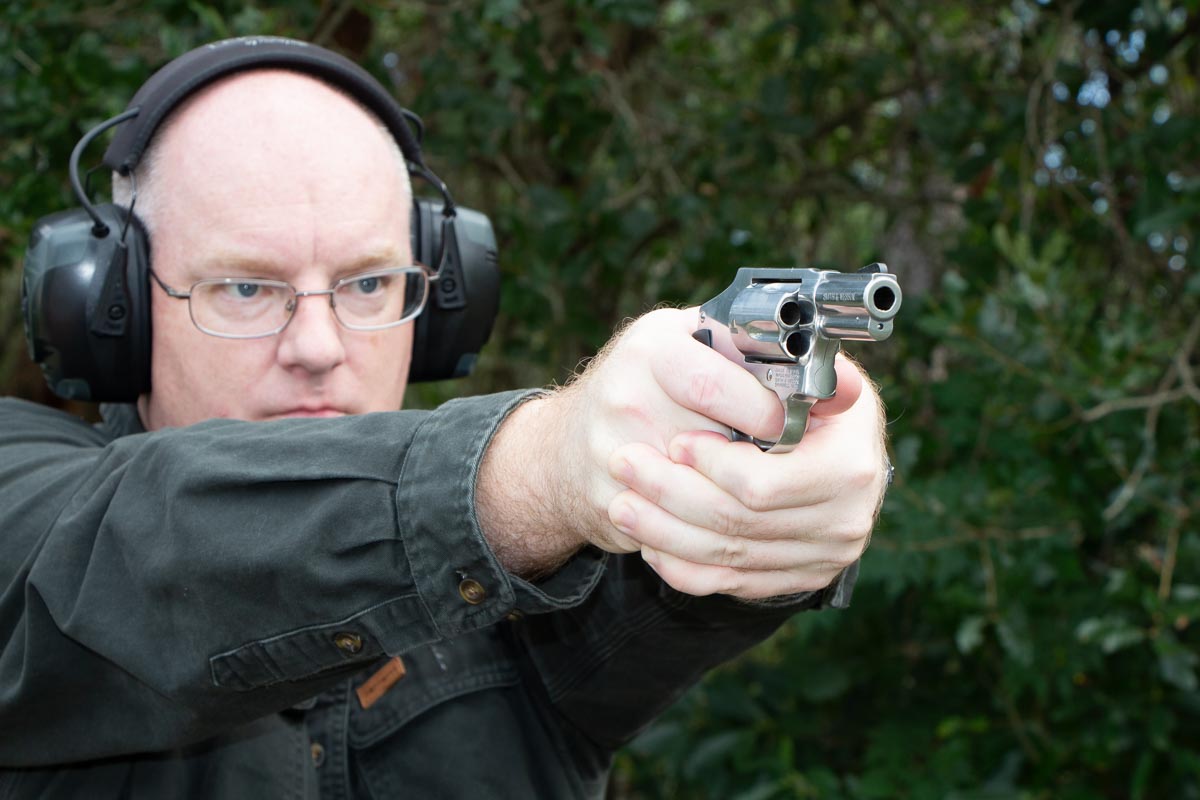
When people search for a Smith & Wesson 640 review, they’re usually trying to answer a simple question: Does this revolver still make sense today?
I’ve spent enough time carrying and shooting small-frame revolvers to say this: despite the dominance of modern semi-autos, the 640 still holds a legitimate place in a defensive rotation. Not because it’s nostalgic or “classic,” but because it solves specific problems exceptionally well.
The 640 isn’t flashy. It’s not high-capacity. It doesn’t try to compete with polymer striker-fired pistols. What it does offer is simplicity, reliability, and durability in a compact, concealable package that can handle full-power .357 Magnum loads.
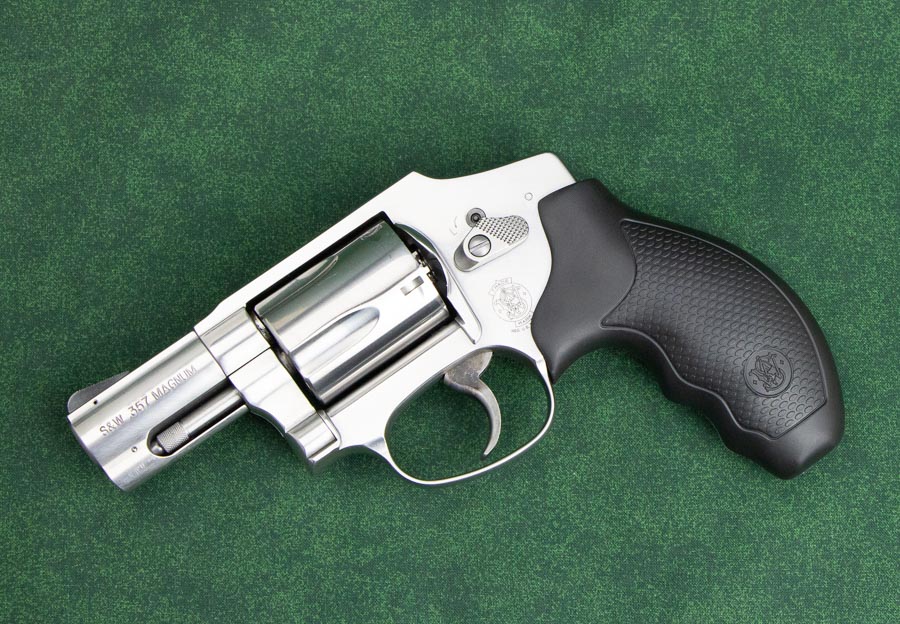
That combination is harder to find than most people realize.
This review is based on real-world handling, range time, and carry considerations, not spec sheet comparisons or marketing claims. If you’re evaluating the 640 as a serious defensive tool, here’s what actually matters.
Quick Summary: Strengths, Limitations, and Bottom Line
Strengths
- Excellent recoil control for a snub-nose .357
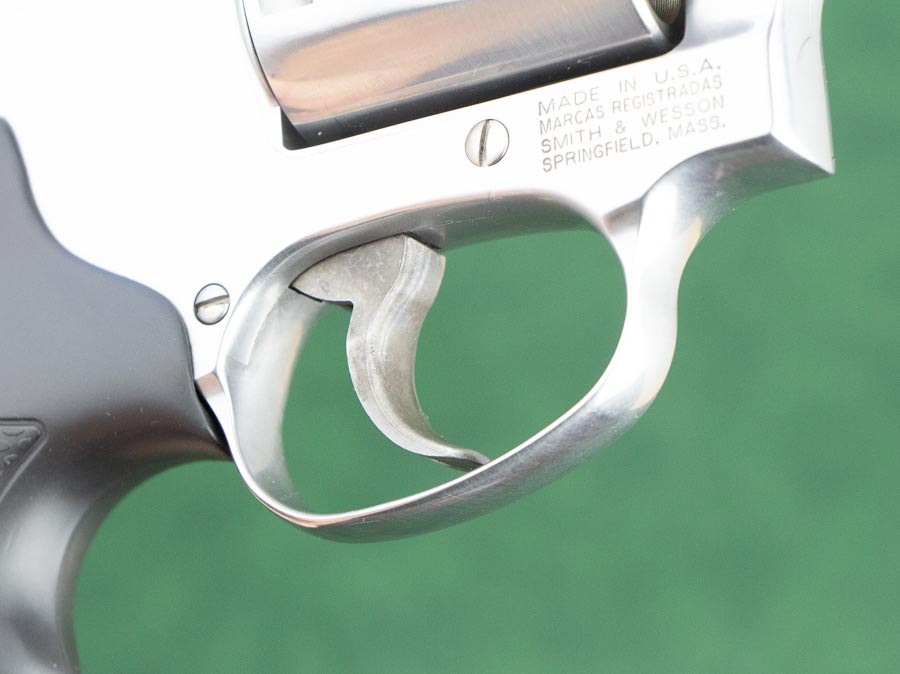
- Strong, predictable double-action trigger with positive reset
- Reliable case extraction, even with magnum loads
- Durable all-steel construction
- Proven J-frame design with widespread support
Limitations
- Heavier than competing lightweight revolvers
- Limited capacity (5 rounds)
- Requires deliberate trigger control under speed
- Not ideal for very small pockets or lightweight clothing
Bottom Line
The 640 is one of the most shootable .357 snub-nose revolvers available. If you value control, reliability, and consistency over weight savings, it’s a strong choice for concealed carry.
What the Smith & Wesson 640 Is
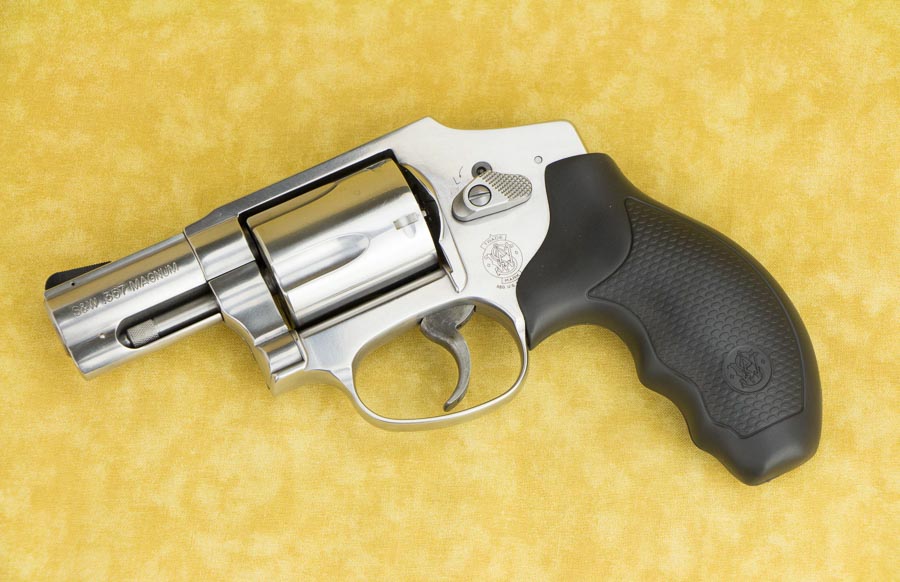
The Smith & Wesson 640 is part of the company’s long-running J-frame revolver lineup, designed for concealed carry and defensive use.
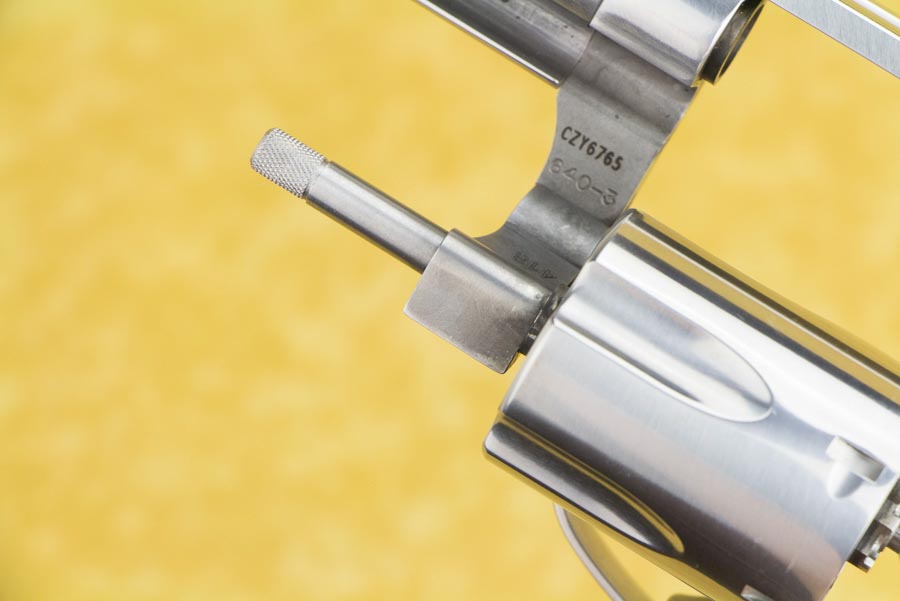
Key characteristics:
- Double-action-only (DAO) operation
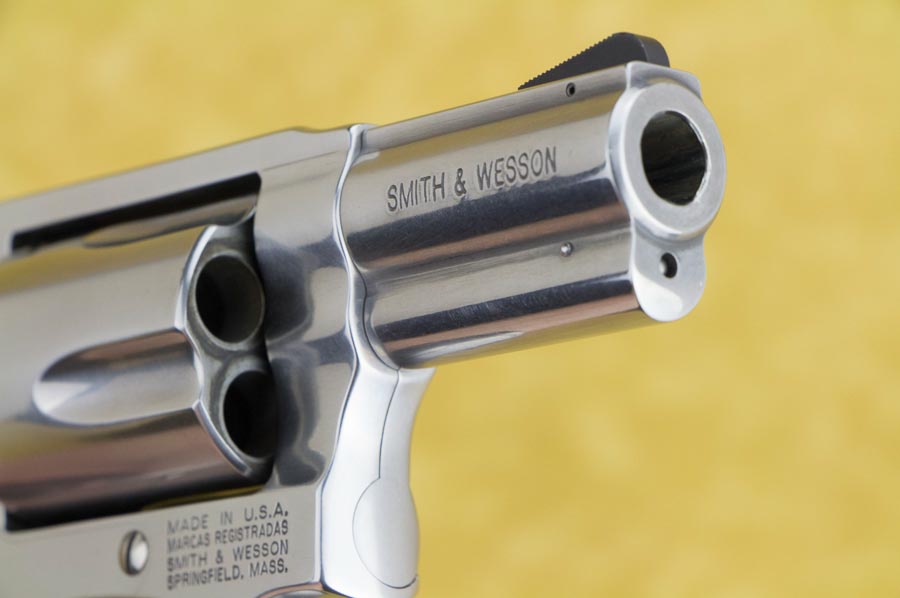
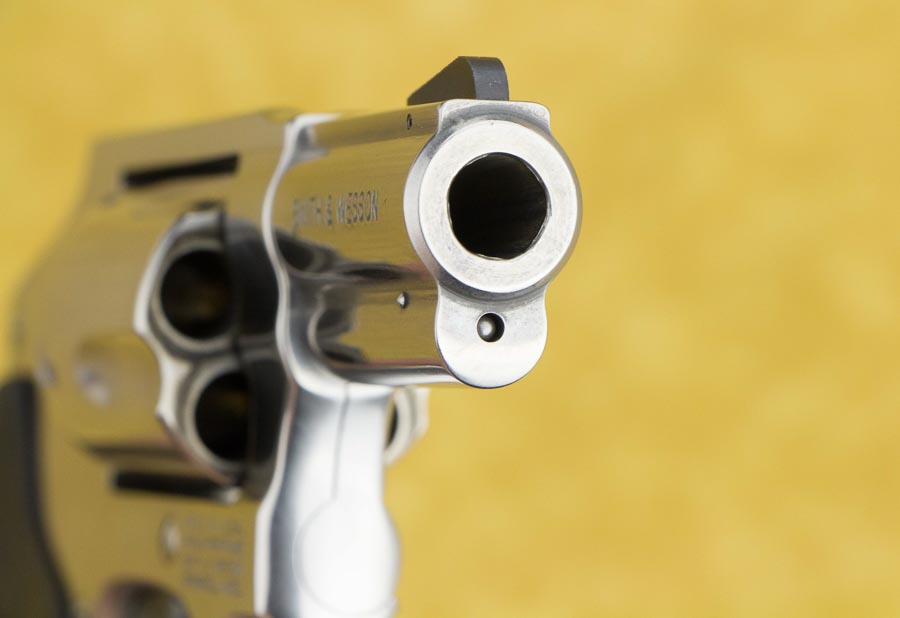
- Internal hammer (no external snag points)
- Chambered in .357 Magnum / .38 Special
- 5-round cylinder
- Stainless steel construction
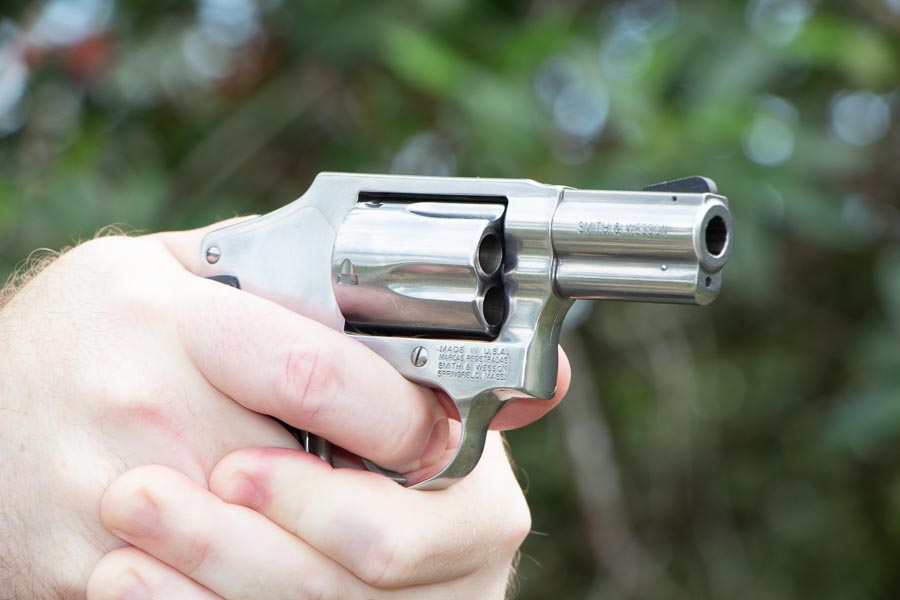
Unlike lighter alloy-framed revolvers, the 640 is built entirely from stainless steel. That decision drives much of its performance, especially when it comes to recoil and durability.
This is not a “range toy.” It’s a purpose-built defensive handgun.
Key Features and Design Details
All-Steel Construction
The most important feature of the 640 is its weight. At roughly 23 ounces, it’s heavier than many snub-nose revolvers, but that weight works in your favor.
It:
- Absorbs recoil more effectively
- Reduces muzzle flip
- Improves shot-to-shot recovery
Internal Hammer (DAO System)
The enclosed hammer eliminates snag risk during draw. It also simplifies operation:
- No manual cocking
- Consistent trigger pull every shot
- Reduced chance of user-induced error under stress
J-Frame Ergonomics
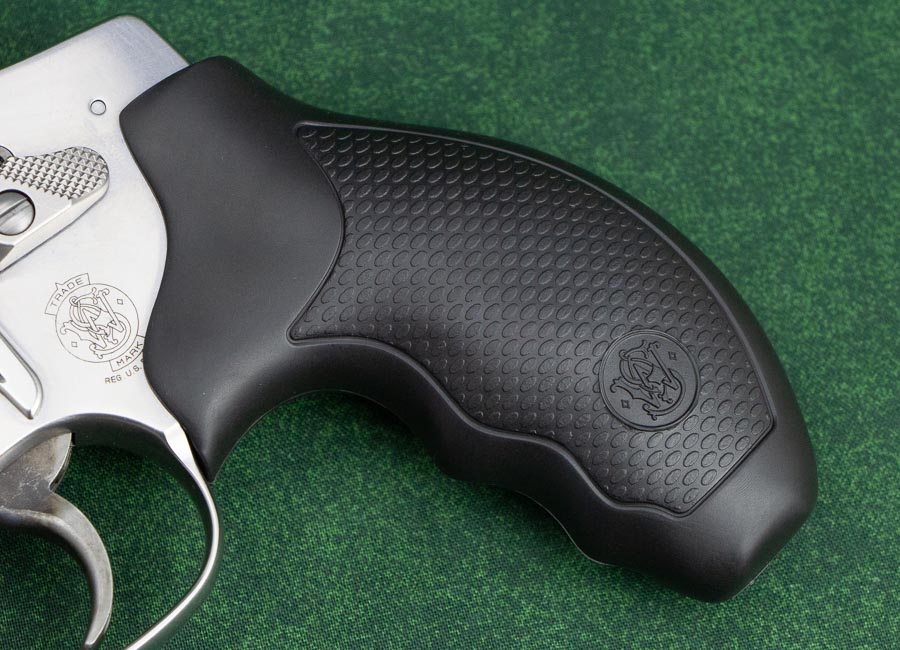
The grip frame is compact but functional. With the factory grip:
- Most shooters can get two fingers on the grip
- Some can achieve a full three-finger grip depending on hand size
Grip choice matters here. Aftermarket options can significantly improve control.
Fixed / Replaceable Front Sight
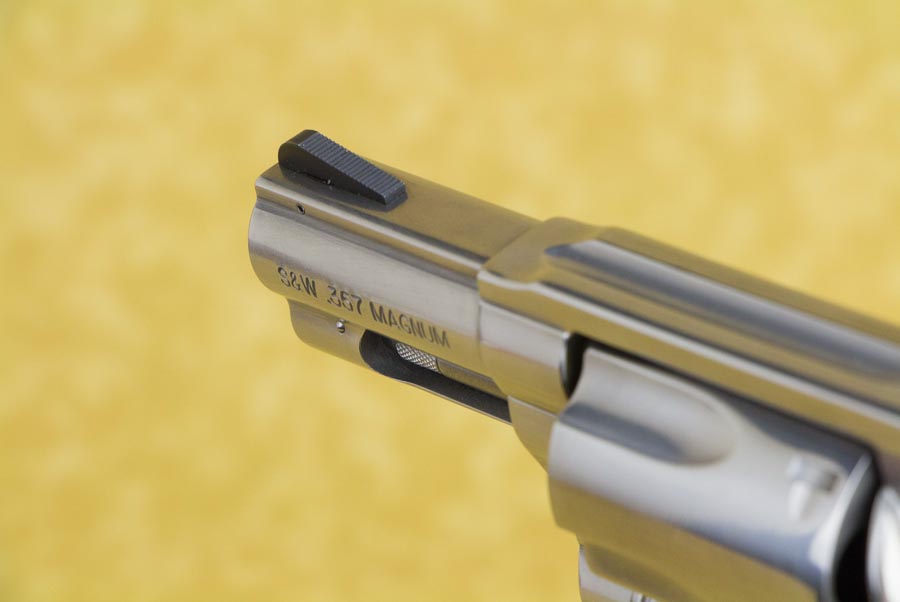
The pinned front sight allows for upgrades:
- Night sights
- High-visibility options
That’s a practical advantage over older fixed-sight designs.
How It Performs in Real Use
Trigger Performance
The trigger is classic Smith & Wesson:
- Smooth throughout the pull
- No stacking or grit
- Strong, authoritative reset
It’s not light, but it’s predictable.
Under speed, that strong reset becomes a real advantage. You don’t have to “hunt” for it. The gun tells you when it’s ready to fire again.
Accuracy in Practical Terms
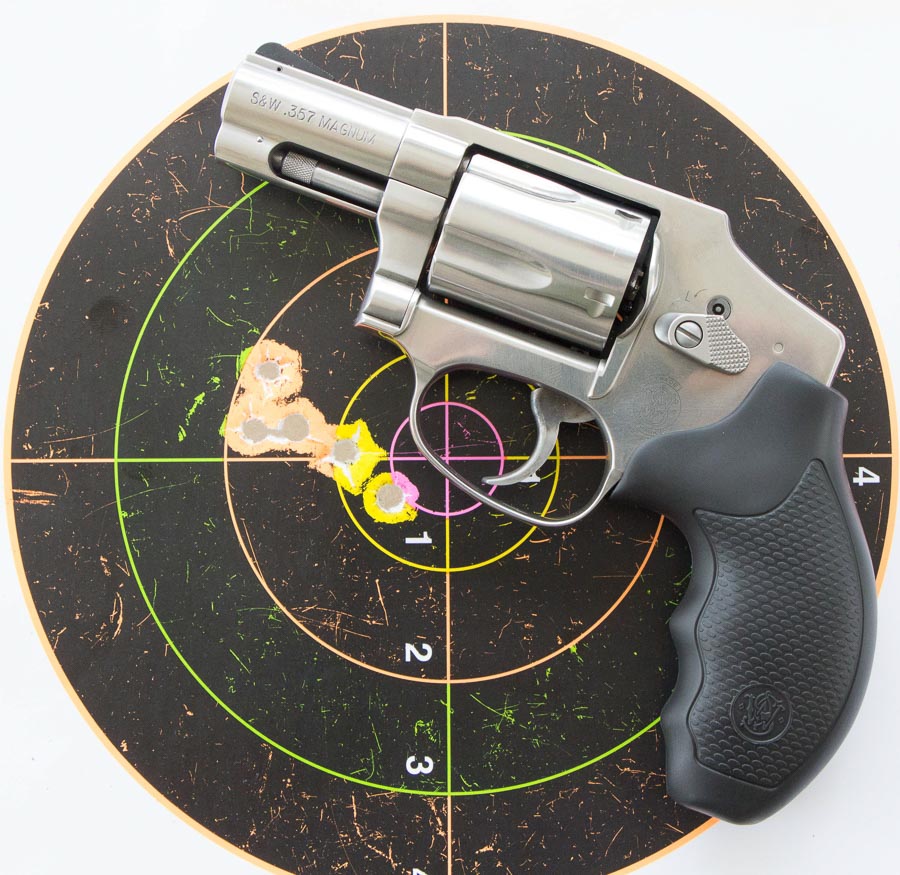
At defensive distances (7–15 yards), the 640 delivers:
- Consistent center-mass hits
- Group sizes typically under 3 inches with quality ammo
The limiting factor isn’t the gun: it’s the shooter.
Short sight radius and heavy trigger require discipline. But if you do your part, the gun will keep up.
Recoil and Shootability
This is where the 640 separates itself from lighter revolvers.
With .38 Special +P:
- Very manageable
- Suitable for extended practice
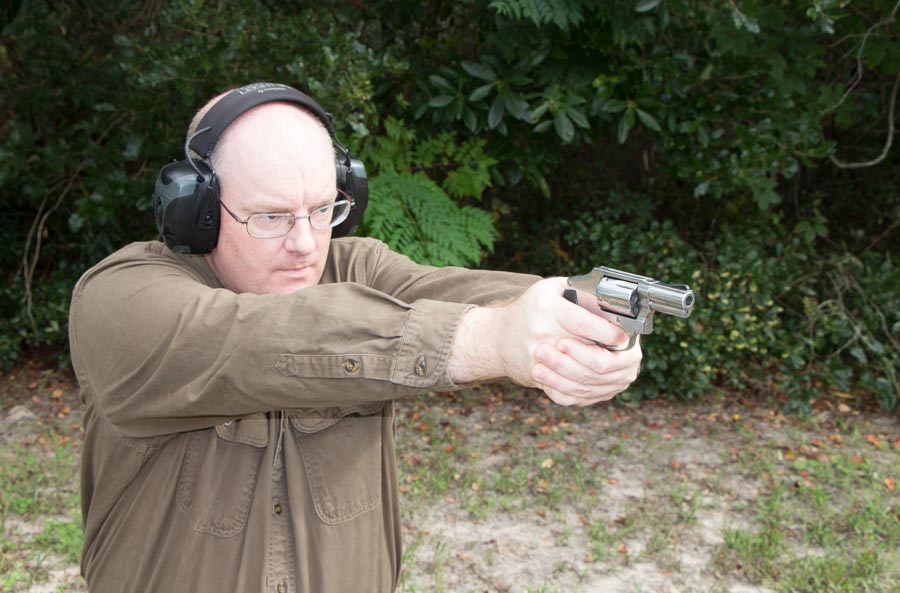
With full-power .357 Magnum:
- Noticeable recoil, but controllable
- Less punishing than lightweight alternatives
The extra weight makes a difference you can feel immediately.
Reliability and Extraction
Revolvers are often praised for reliability, but not all are equal in execution.
The 640 excels in:
- Consistent ignition
- Smooth cylinder operation
- Reliable case extraction
Even after firing .357 Magnum, a firm press on the ejector rod clears the cylinder cleanly. That’s critical for reloads under stress.
How I Use the Smith & Wesson 640
Concealed Carry
The 640 works well in:
- Inside-the-waistband holsters
- Belt-mounted carry setups
- Jacket or coat pockets
For true pocket carry, it depends on:
- Pocket size
- Clothing structure
It’s doable, but not ideal in lightweight or fitted pants.
Ammunition Strategy
Most experienced carriers settle into one of two approaches:
.38 Special +P
- Faster follow-up shots
- Less recoil fatigue
- Easier training
.357 Magnum
- Maximum ballistic performance
- Greater recoil and slower recovery
Personally, I see more value in controllability than raw power. That might mean going with the .38. I argue it means you should invest in more practice and carry the Magnum loads. The 640 gives you the option to choose.
Training Considerations
To run the 640 effectively, you need:
- Strong trigger discipline
- Practice with double-action shooting
- Familiarity with reload techniques (speed strips or speedloaders)
This isn’t a gun you shoot casually and master. It rewards deliberate practice.
Practical Use Cases
Everyday Concealed Carry
- Reliable, simple, and durable
- Works well with proper holster selection
Backup Gun (BUG)
- Compact enough for secondary carry
- Robust enough for serious use
Low-Maintenance Defensive Option
- Less sensitive to ammunition variations
- Minimal maintenance requirements
Pros and Cons
Pros
- Excellent recoil control for its size
- Strong, consistent trigger reset
- Reliable extraction and operation
- Durable stainless steel construction
- Proven defensive platform
Cons
- Heavier than many alternatives
- Limited capacity
- Requires training to master trigger
- Not ideal for deep pocket carry in all clothing
Comparison to Alternatives
vs. Ruger LCR
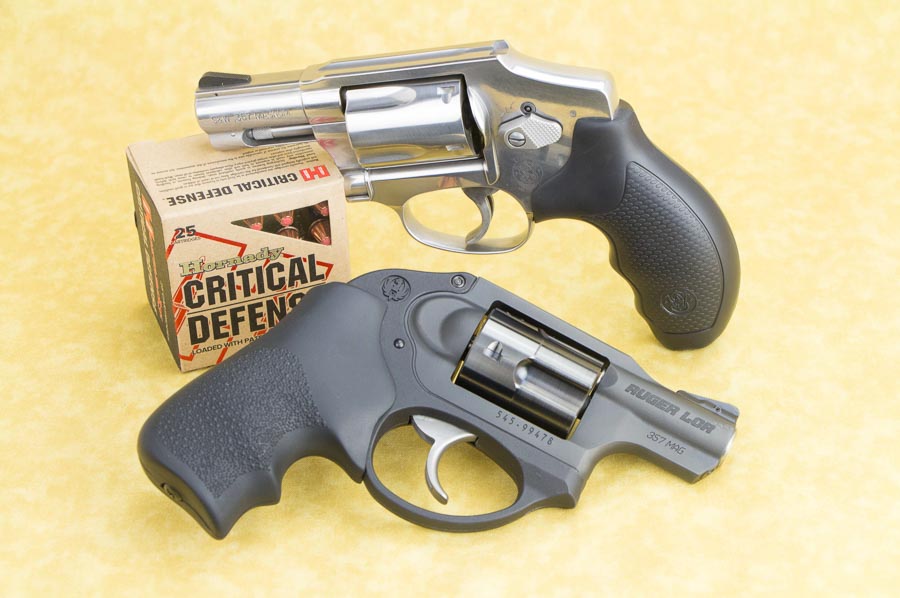
- I wrote a direct Ruger LCR 357 vs S&W 640 comparison
- LCR is lighter and easier to carry
- 640 is easier to shoot and control
- 640 has better trigger reset and extraction
- Read my Ruger LCR 357 Magnum review
vs. Lightweight J-Frames (e.g., 642)
- Lightweight models are easier to carry
- 640 handles recoil significantly better
- 640 supports .357 Magnum
- Read my S&W 642 review
vs. Compact Semi-Autos
- Semi-autos offer higher capacity
- 640 offers simplicity and reliability
- Revolver is less sensitive to grip or ammo issues
Who the Smith & Wesson 640 Is Best For
The 640 makes the most sense if you:
- Value shootability over minimal weight
- Train regularly with your carry gun
- Prefer revolver simplicity
- Want the option of .357 Magnum
It’s less ideal if you:
- Prioritize ultra-light carry
- Want high capacity
- Prefer minimal recoil with no trade-offs
Final Verdict
This Smith & Wesson 640 review comes down to a simple conclusion: the 640 is a serious tool for serious users.
It’s not the easiest gun to carry, and it’s not the easiest to master. But I believe it offers a level of control, reliability, and consistency that many lightweight revolvers simply can’t match.
If you’re willing to train with it and accept the weight penalty, you get a revolver that performs when it matters.
And that’s ultimately the only metric that counts.