
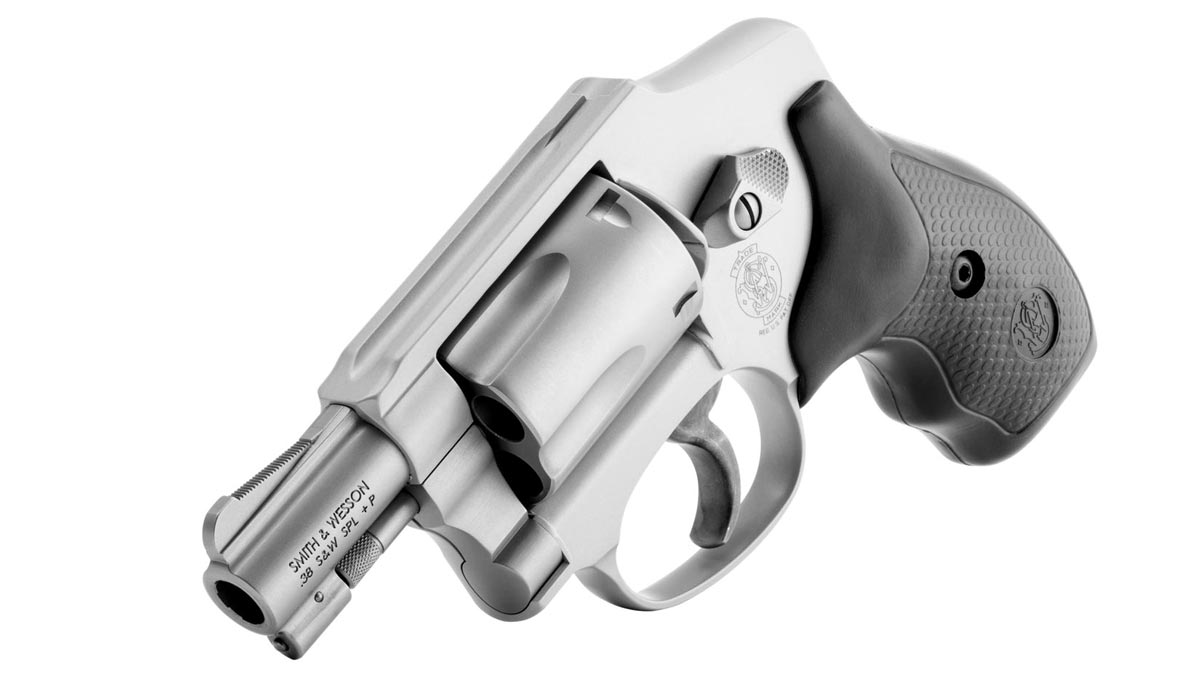
I’ve carried a Smith & Wesson 642 in one form or another for nearly three decades. It started as a recommendation from a firearms instructor when I needed a reliable backup gun, and over time, it became something more than that: a constant, dependable tool that earned its place through use, not theory.
If you spend enough time around serious concealed carriers, you’ll hear terms like “pocket gun,” “backup gun,” or even “belly gun.” The 642 fits all of those roles, depending on how you deploy it. But labels don’t really tell the full story. What matters is whether a firearm holds up under real conditions, including daily carry, repeated training, and the kind of wear that comes from being relied on.
This isn’t a range toy. It’s not designed to impress anyone at the gun counter. The 642 is built for a very specific purpose: discreet, reliable personal defense at close distances. Over the years, I’ve put thousands of rounds through mine, carried it in multiple configurations, and learned both its strengths and its limitations.
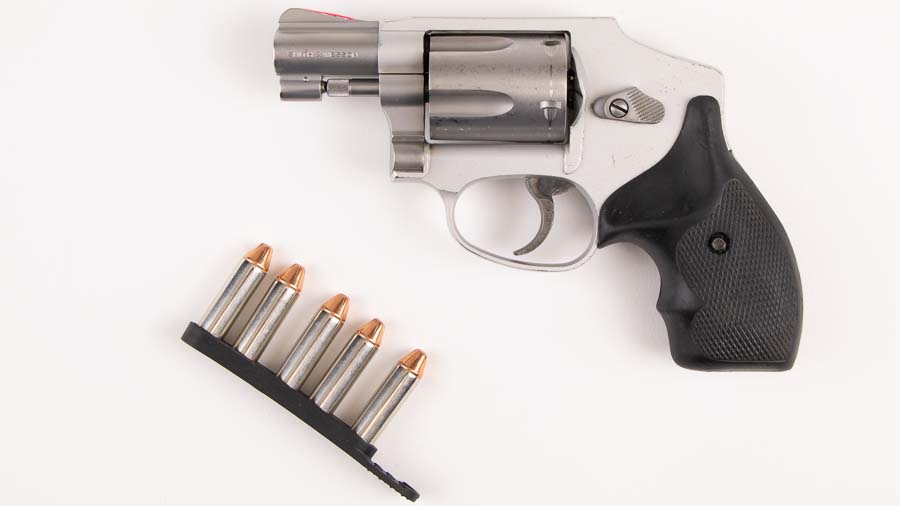
If you’re considering adding one to your rotation, or questioning whether a small-frame revolver still has a place in a world dominated by micro-9mm pistols, this is what you need to know.
Quick Summary
Strengths:
- Extremely reliable mechanical design
- Lightweight and easy to carry all day
- Excellent for pocket and ankle carry
- Simple manual of arms under stress
- Proven .38 Special +P defensive capability
Limitations:
- Limited capacity (5 rounds)
- Noticeable recoil due to light weight
- Basic sights that can be hard to see
- Slower reloads compared to semi-autos
- Trigger requires practice to master
Verdict:
The Smith & Wesson 642 remains one of the most practical deep-concealment revolvers available. It’s not perfect, but it excels at what it was designed to do—and that still matters.
What Is the Smith & Wesson 642
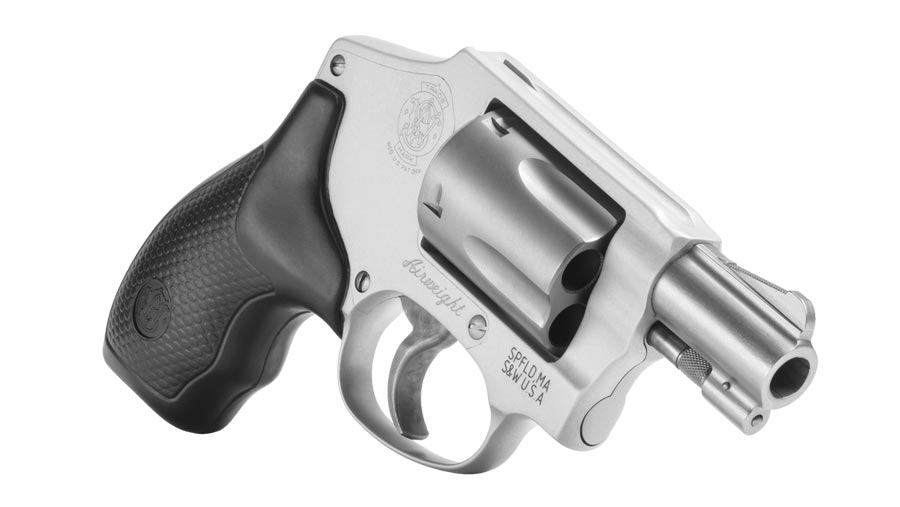
The 642 is part of Smith & Wesson’s Centennial line of revolvers: small-frame, internal hammer guns designed for concealed carry. It’s built on the J-frame platform, which has been around for decades and has earned a reputation for durability and simplicity.
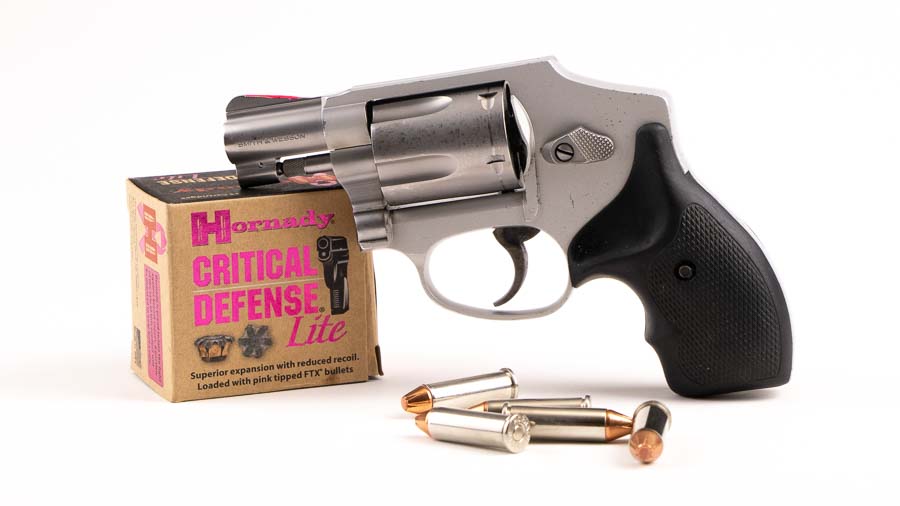
What sets the 642 apart is its combination of materials and design:
- Aluminum alloy frame (Airweight)
- Stainless steel barrel and cylinder
- Enclosed hammer (double-action-only)
That internal hammer is more important than it might seem at first glance. It eliminates snag points when drawing from a pocket or holster and forces a consistent trigger pull every time. There’s no single-action option: just a long, deliberate double-action stroke.
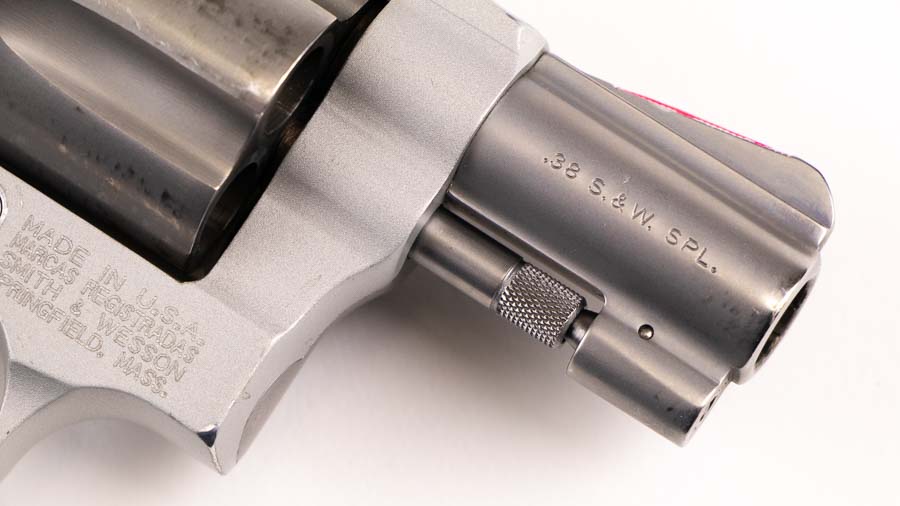
The current production models are rated for .38 Special +P ammunition, which gives you a meaningful performance increase over standard pressure loads, especially in short barrels.
Key Features and Specifications
Here’s what you’re working with on the Smith & Wesson 642:
Core Specifications:
- Caliber: .38 Special +P
- Capacity: 5 rounds
- Barrel length: 1.875 inches
- Weight: ~15 ounces (unloaded)
- Action: Double-action-only (DAO)
- Frame: Aluminum alloy
- Cylinder: Stainless steel
Notable Design Features:
- Enclosed hammer for snag-free draw
- Fixed front ramp sight with integral rear notch
- Compact grip frame (often upgraded by users)
- Minimal external controls
What That Means in Practice:
The lightweight frame makes it easy to carry for long periods, but it also translates into sharper recoil. The short barrel limits velocity, which makes ammunition selection more important than with larger handguns.
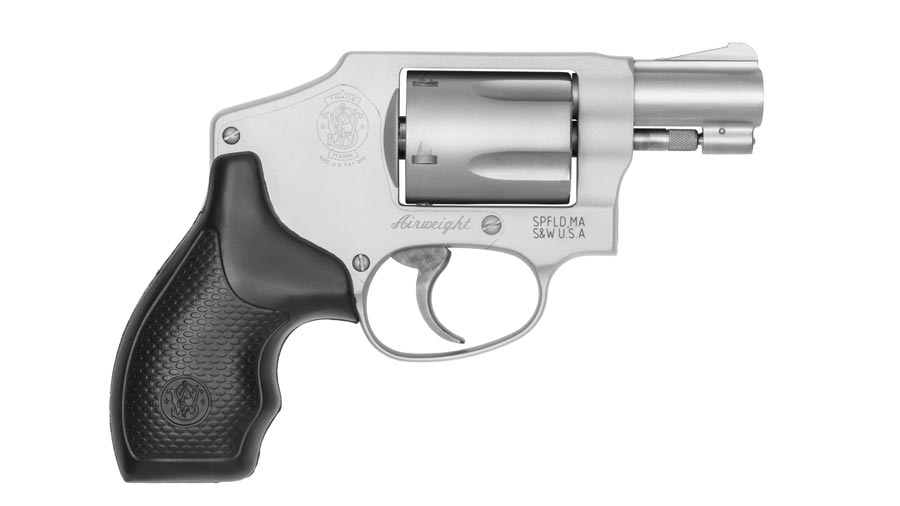
This is a purpose-built defensive revolver. Everything about it reflects that.
How It Works and How I Use It
The 642 is mechanically simple, which is one of its biggest advantages. There’s no slide, no magazine, and no external safety to manage. You load five rounds into the cylinder, close it, and the gun is ready.
When you press the trigger, three things happen in sequence:
- The cylinder rotates to align the next chamber
- The internal hammer is cocked
- The hammer falls and fires the round
That long, consistent trigger pull is both a safety feature and a skill requirement.
My Carry Setup
Over the years, I’ve carried the 642 in several ways:
Pocket Carry:
- My most common method
- Works best with a quality pocket holster (read my DeSantis Nemesis review)
- Breaks up the outline and keeps the gun oriented correctly
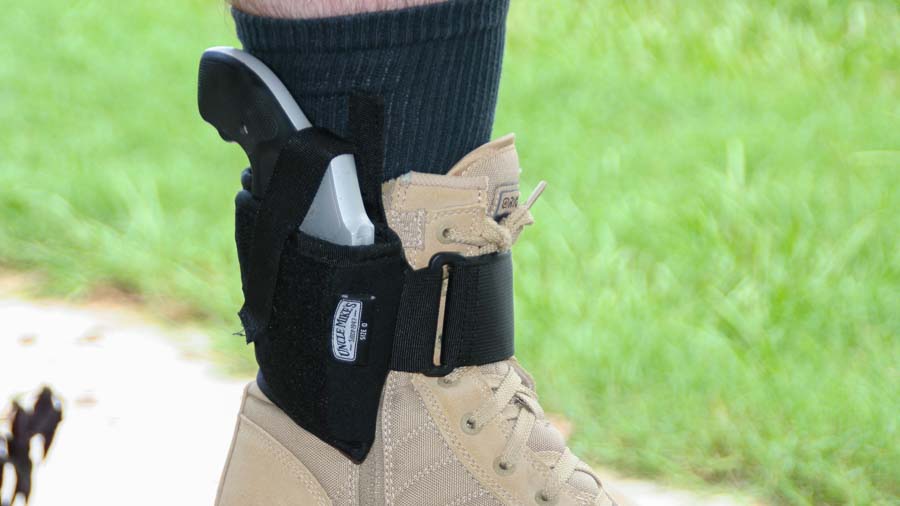
Ankle Carry:
- Useful as a backup gun
- Slower access but excellent concealment
- Works well in professional environments
Occasional Inside-the-Waistband (IWB):
- Less common for me with this gun
- Better suited for larger handguns
For pocket carry, I’ve had consistent success with both leather and synthetic holsters. The key is to ensure the holster stays in the pocket during the draw and completely covers the trigger.
Practical Use and Real-World Performance
Shooting the 642
I won’t sugarcoat it: the 642 is not a pleasant gun to shoot for extended sessions. The combination of light weight and +P ammunition produces noticeable recoil, which is especially difficult for newer shooters.
That said, it’s absolutely controllable with proper technique.
What matters most:
- Strong grip
- Consistent trigger control
- Regular practice
The trigger is heavy out of the box, but it smooths out with use. I’ve found that dry fire practice is one of the most effective ways to improve performance with this revolver.
Accuracy Expectations
This is where a lot of people underestimate the 642.
At typical defensive distances (3–10 yards), it’s more than accurate enough. With practice, I can keep tight groups on a silhouette target without issue.
At longer distances:
- 15 yards: very manageable
- 25 yards: requires focus and trigger discipline
- Beyond that: possible, but not the gun’s primary role
The limiting factor isn’t the mechanical accuracy—it’s the short sight radius and heavy trigger.
Ammunition Choices
Over the years, I’ve experimented with a range of .38 Special loads. Two stand out:
- 158-grain LSWCHP +P (“FBI load”)
- Speer Gold Dot 135-grain +P (short barrel)
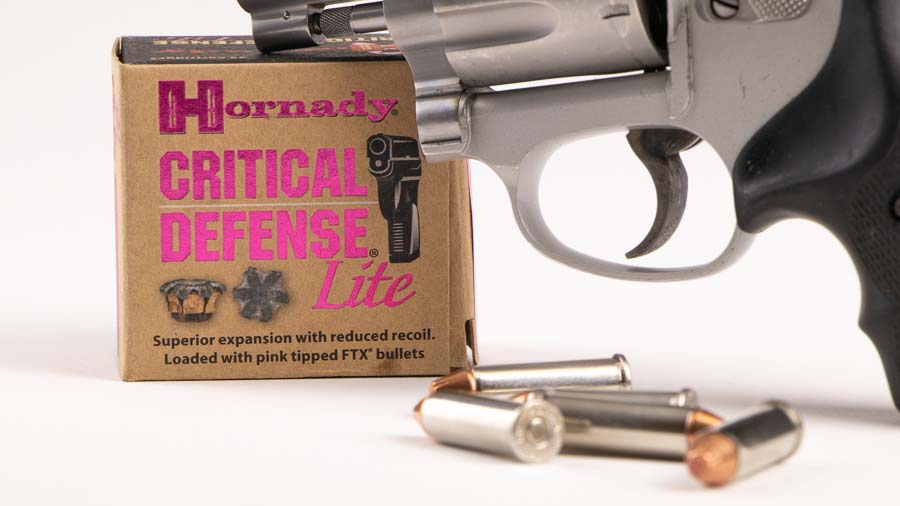
Both have solid reputations, but I’ve settled on the 135-grain Gold Dot. It offers a good balance of recoil and terminal performance, especially from a short barrel.
Pros and Cons
Pros
1. Reliability
This is where revolvers still shine. The 642 will function in conditions that can cause issues for semi-autos: lint, debris, inconsistent grip, or awkward firing positions.
2. Concealability
At 15 ounces with a compact profile, it’s one of the easiest guns to carry discreetly.
3. Simplicity
Under stress, simple is good. There’s nothing to manipulate except the trigger.
4. Versatility in Carry
Pocket, ankle, backup: this gun adapts well.
Cons
1. Limited Capacity
Five rounds is the reality. There’s no way around it.
2. Recoil
Lightweight means sharper recoil, especially with defensive loads.
3. Sights
The fixed sights are functional but not ideal, particularly in low light.
4. Reload Speed
Even with speed strips or speedloaders, reloads are slower than magazine changes.
5. Ergonomics
Some shooters, myself included, notice the cylinder release can rub during extended sessions.
Comparison to Alternatives
Versus Micro 9mm Pistols
Modern concealed carry often leans toward compact semi-autos like the Glock 43 9mm or SIG P365.
Where the 642 wins:
- Simplicity
- Reliability in adverse conditions
- Pocket carry compatibility
Where it loses:
- Capacity
- Reload speed
- Ease of shooting (for most people)
Versus Other J-Frame Revolvers
Compared to models like the Bodyguard 38, 442 or 640:
- 642 vs 442: Essentially the same gun with different finishes
- 642 vs. Bodyguard 38 – I’ve done a head-to-head evaluation of these firearms, and found they both offer some serious benefits for CCW
- 642 vs 640: The 640 is chambered in .357 Magnum with a heavier (steel frame), which reduces recoil but makes it less comfortable for pocket carry
Versus Larger Revolvers
Larger revolvers offer better shootability and capacity (6+ rounds), but they lose the concealability that defines the 642. If you do want a bigger wheel gun, I recommend reading my S&W Model 66 review.
Who This Is Best For
The Smith & Wesson 642 is not for everyone, and that’s worth saying clearly.
It makes sense for:
- Experienced carriers who value simplicity
- Professionals needing deep concealment
- Those who want a reliable backup gun
- People who will actually practice with it
It may not be ideal for:
- New shooters sensitive to recoil
- Those prioritizing capacity
- Users unwilling to train with a heavier trigger
This is a tool that rewards effort. If you’re willing to put in the time, it performs.
Additional Considerations
Internal Lock
Some models include an internal lock, which has been controversial. While failures are rare, many experienced users prefer models without it. If that matters to you, it’s worth seeking out a no-lock version or a used pre-lock gun.
Durability and Wear
After years of hard use, my 642 shows cosmetic wear—but it still functions exactly as it should. The finish may degrade over time, especially with daily carry, but that doesn’t affect performance.
Maintenance
Maintenance is straightforward:
- Regular cleaning of the barrel and cylinder
- Occasional inspection of moving parts
- Keeping lint and debris out of the action
It’s a low-maintenance firearm compared to most semi-autos.
Final Verdict
The Smith & Wesson 642 isn’t flashy, and it doesn’t try to be. It’s a purpose-driven revolver that prioritizes reliability, concealability, and simplicity over everything else.
After years of carrying and using it, I trust it. Not because of marketing claims or internet opinions, but because it has consistently performed when I needed it to.
Is it the best concealed carry gun on the market? That depends on your priorities.
But if you’re looking for a lightweight, dependable revolver that you can carry anywhere, train with, and rely on when it matters, the 642 still earns its place.
And that’s about the highest praise I can give any defensive firearm.