
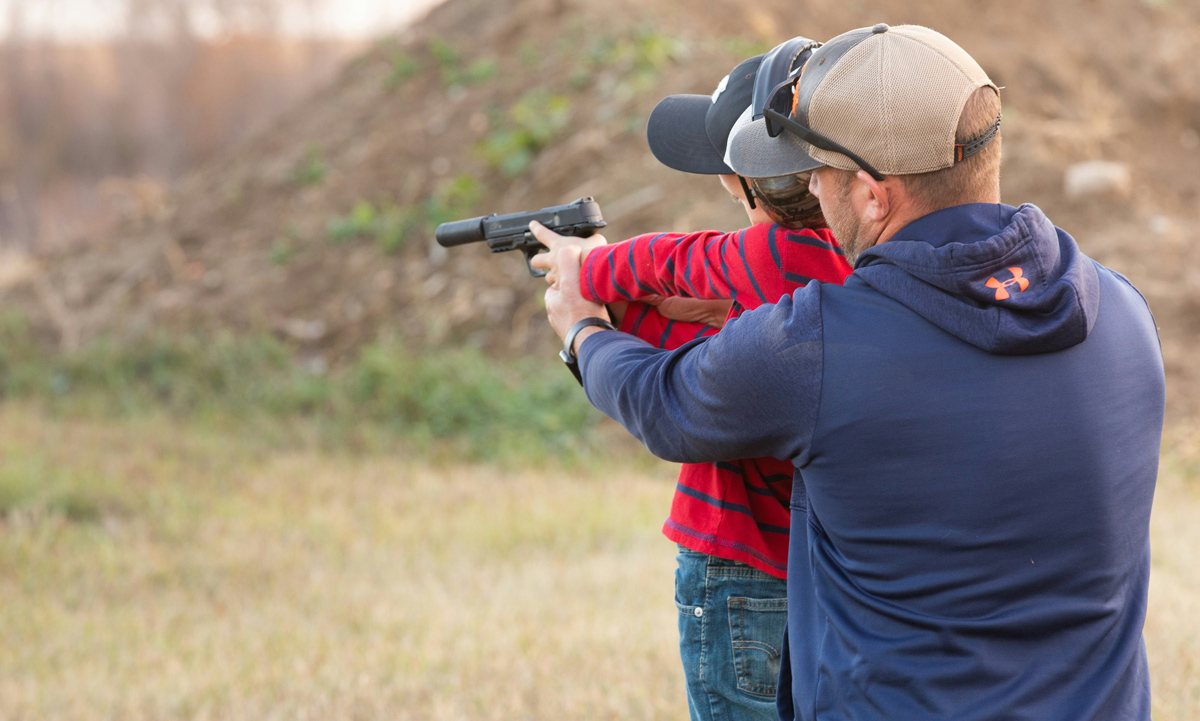
Gear Setup Mistakes That Can Affect Firearm Performance
You spend hours at the range. You drill fundamentals, watch every recoil video Brandon Herrera ever posted, and still, groups open up past 50 yards for no obvious reason.
Most shooters blame technique first. Fair enough. But here is something worth considering: your gear might be fighting you. Gear setup mistakes account for a surprising number of accuracy and reliability problems that get chalked up to “bad days.” A loose flashlight mount, a mismatched spring, an optic that never got properly zeroed — these small oversights stack fast.
Before you start questioning your shooting form, take a hard look at how your gun is actually configured. The stuff people get wrong before they ever fire a shot? That is what costs them.
Ignoring Trigger Setup and Safety Configurations
Aftermarket triggers are everywhere now. Timney, Geissele, TriggerTech — scroll through any gun forum, and someone is swapping theirs out. Nothing is wrong with that. The problem starts when shooters install a 2-pound competition trigger in a home defense rifle and do not think twice about it.
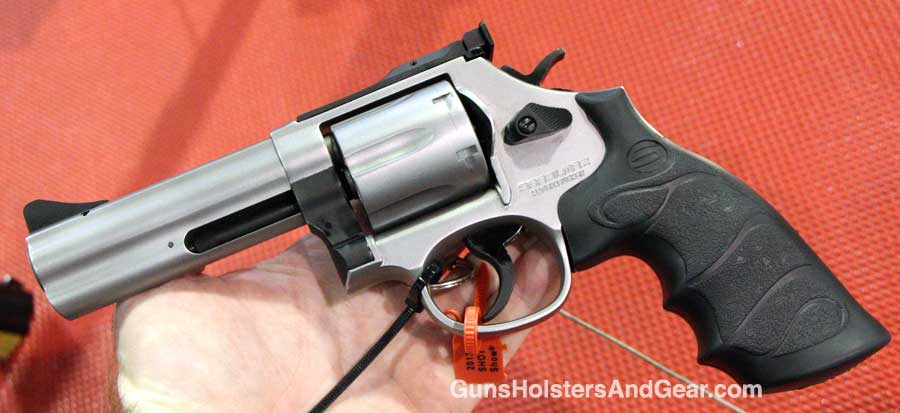
A light trigger pull sounds great until you factor in stress, adrenaline, and fumbling in the dark at 3 a.m. Different guns serve different purposes, and the firearm trigger safety configuration options you choose should reflect that reality. A single-stage flat trigger set, feather-light, has no business on a gun you keep loaded in a nightstand. Yet people do it constantly.
Beyond pull weight, there is sear engagement to worry about. Cheap drop-in triggers sometimes have inconsistent reset — you pull, the trigger breaks clean, but the reset is so short that follow-up shots double. Or worse, the sear geometry does not hold up after a few thousand rounds. Always run function checks after a trigger swap. Pull the charging handle, check that the hammer catches. Do this multiple times. Then load snap caps and test reset under realistic conditions.
Skipping this process is one of the more dangerous gear setup mistakes a shooter can make. Full stop.
Poor Optic Mounting and Zero
Here is a question nobody wants to hear: Did you actually torque your scope rings to spec?
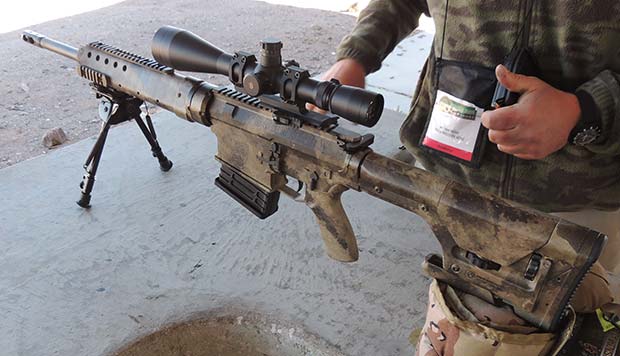
Most people don’t. They hand-tighten, eyeball it, and maybe use a multi-tool from the range bag. And then they wonder why their zero shifts after 200 rounds of .308. Vortex, Leupold, Nightforce — every manufacturer publishes torque specs for a reason. Otherwise, your scope will walk.
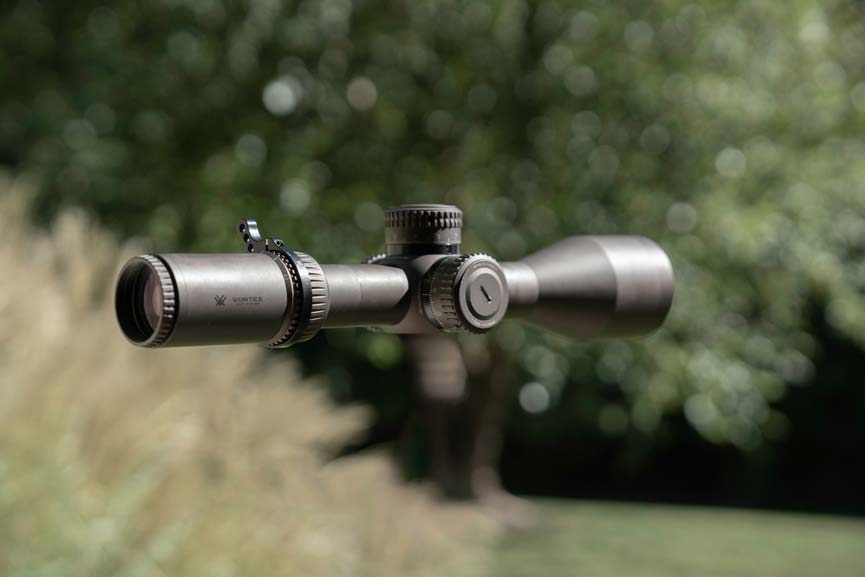
Ring height matters too. Mounting a 50mm objective bell with low rings means your scope physically contacts the barrel. Obviously bad. Still, less obvious mismatches — medium rings on a gun that needs high, or vice versa — create alignment problems that show up as inconsistent groups at distance.
For the pistol red dot crowd, the same story plays out with different hardware. Holosun 507C on a Glock MOS slide with the wrong adapter plate? That dot is going to shift or fly off entirely. Use the right plate. Use Loctite on the screws. Re-zero after every reinstall. There are no shortcuts here, and sloppy optic mounting ranks among the gear setup mistakes that cost accuracy every time.
Stock and Grip Fit Problems
That Magpul PRS stock looks great on Instagram. Does it actually fit you, though? Length of pull is one of those things most shooters ignore completely. If the stock is too long, you will blade your body to compensate — collapsing your support arm and losing stability. Too short, and your face crowds the optic. Scope eye is real, and it is not fun.
Cheek weld is another overlooked factor. Swapping to an aftermarket stock without an adjustable cheek riser means your eye sits either above or below the optic’s centerline. Consistent cheek weld creates consistent shots. Without it, you are introducing a variable every time you shoulder the rifle.
Pistol grips get ignored even more. A grip angle that forces your wrist into extension creates tension through your entire forearm. Over a 200-round range session, that fatigue will come up, and you won’t even realize why. Among recurring gear setup mistakes, poor ergonomic fit is the one most people feel but never actually diagnose — they just assume they got tired.
Wrong Ammunition for the Setup
Ammunition selection is part of the build. Treat it that way. Running steel-case TulAmmo through a precision AR with a .223 Wylde chamber and a 1:8 twist barrel is… a choice. The gun will cycle, probably. But you are leaving accuracy on the table because cheap ammo does not stabilize well in faster twist rates. Meanwhile, someone running a 1:7 twist with 55-grain varmint loads is over-spinning the bullet and wondering why groups look like buckshot at 200 yards.
The gas system matters here, too. If you have tuned an adjustable gas block — say a Superlative Arms or a Riflespeed — for a specific load, switching to a lighter charge without readjusting will cause short-stroking.
The bolt won’t fully cycle, and you get failure-to-feed issues that look like a magazine problem but are really a gas problem. So, match your ammo to your barrel. Match it to your gas system. This is not optional.
Suppressor and Muzzle Device Mistakes
Slapping a SilencerCo Omega on your rifle without re-zeroing afterward? Naturally, that means a point-of-impact shift.
Suppressors change barrel harmonics. Every single one. Some shift impact up, some down, and the amount varies between cans and hosts. So, you zero with the can on, or you zero with it off — but you need to know both zeros and track the difference. Quick-detach mounts like the Dead Air KeyMo help with consistency, but they are not magic.
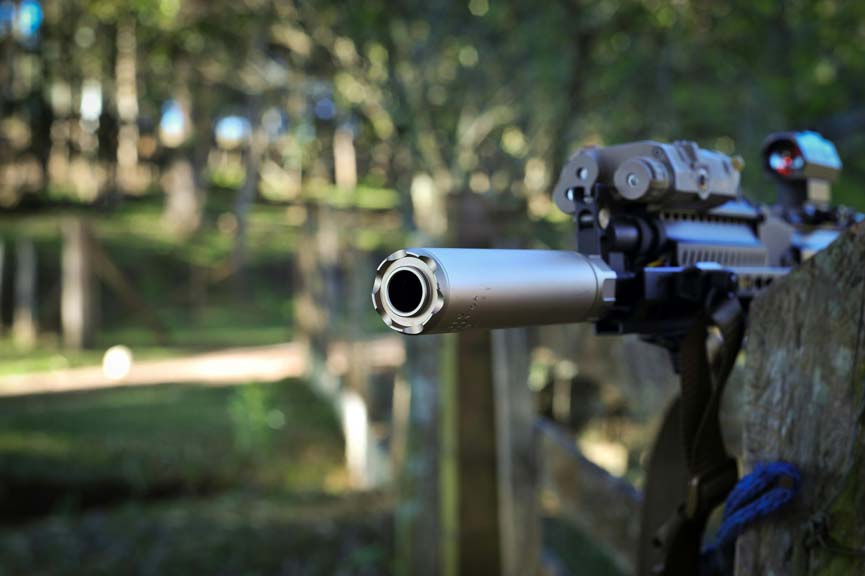
Muzzle brakes bring their own headaches. Timing matters. An improperly timed brake sends gas unevenly, which introduces a lateral push on the bullet right at the crown. The result is horizontal stringing at a distance. If you cannot time the brake yourself, pay a gunsmith. Thirty dollars now saves a lot of wasted range time later.
Wrapping Up
Every modification you make to a firearm introduces a variable. That is just the reality of it. And most performance issues in the range trace back to setup, not skill.
Check your torque specs. Test your trigger. Verify your zero after every change, even the small ones. Run your chosen ammo through the gun before you trust it for anything serious.
Gear setup mistakes are fixable. That is the good news. But only once you stop assuming everything works and actually verify. The best shooters you know? They check everything. Every time. Do the same.


I noticed the article mentions torque specs for scope rings, but I’m using a low-light rail mount on my 300?blackout rifle–should I be as concerned about torque and zero shift with that setup? Also, does the cheek-weld issue matter for a bullpup where the eye is naturally lower?
The article notes that even a loose flashlight mount can throw off groups. I’m curious how that compares to older rifles with fixed mounts–was accessory drift less of an issue before modular systems became common?
The article notes that cheap drop-in triggers sometimes have an inconsistent reset, which can lead to unintended double taps. I’m wondering whether shooters have quantified how reset length varies across different trigger manufacturers during prolonged shooting sessions.
After a few range sessions with a budget trigger, I found the reset time could stretch after a handful of magazines, so I now bench-test any new trigger for at least a hundred shots before trusting it in competition.
The piece mentions that a low ring height on a 50?mm objective can let the scope rub the barrel, which sounds like a hidden accuracy killer. What practical steps do shooters take to check clearance and maintain proper eye relief when swapping rings on a short-handguard platform?
I’ve seen the same thing when I kept hand-tightening my Vortex rings; after a few dozen trips to the range the zero drifted a half-inch at 200 yd because the bolts loosened under recoil. Using a calibrated torque wrench and a dab of Loctite on each reinstall has kept the scope rock-steady for me.