
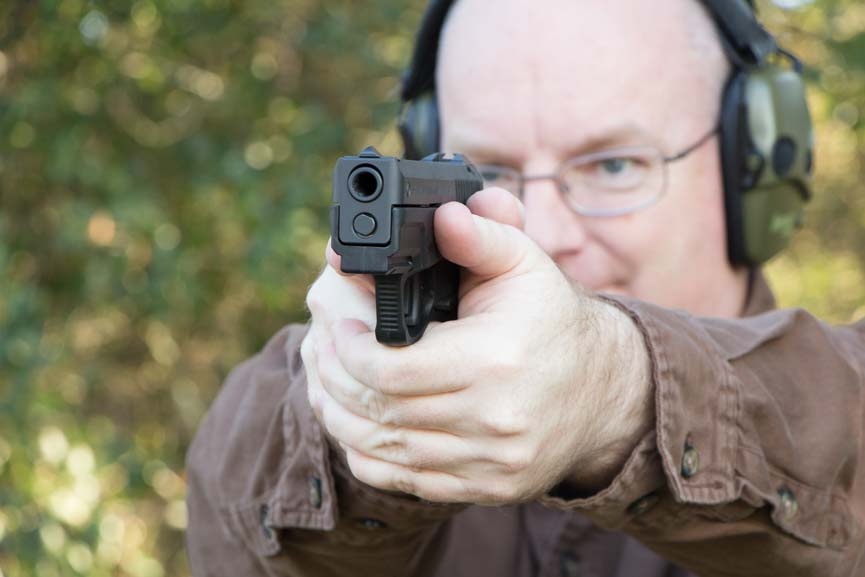
In today’s review, Christopher Tamblein evaluates the Steyr S9-A1 pistol. This semi-automatic 9mm proved to be an outstanding performer. The gun was loaned to the author by the manufacturer for this review.
The best protection details, the old hands always told me, are the ones you never lay eyes on. No flash, no swagger, no wasted motion, just a steady set of hands in the right place at the right time. The Steyr S9-A1 is cut from that same bolt of cloth. It doesn’t strut, it doesn’t shout, and frankly the gun-magazine brain trust tends to walk right past it on the way to whatever wonder-nine is making the most noise this season.
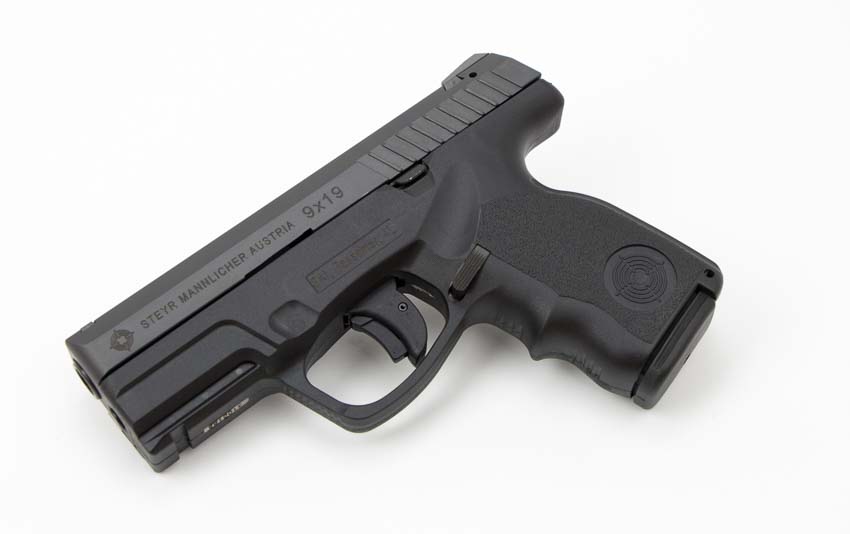
That’s a shame, and it’s the reason I hauled this little compact into the back room, sat it down under the light and went to work. This Steyr S9-A1 review is the confession I squeezed out of it after a hard week on the range. I’ll tell you up front, the gun has very little to apologize for.
Let me suggest that if you’ve been overlooking the Steyr line because nobody’s been screaming about it in the loud part of the magazine rack, you can think again.
A Pedigree That Goes Back Before the Gunfighter Was Born
Before we put a single round downrange, give the company its due, because the say-so here is earned. Steyr Mannlicher has been designing and building firearms out of Austria since the 1800s, but the bloodline runs a great deal deeper than the corporate letterhead. The recognized founder, Josef Werndl, came up out of a family and a region that had been hammering steel into weapons for centuries. Some accounts push the metalworking tradition in that corner of Austria back toward the 1200s. That’s not marketing fluff. That’s the better part of a thousand years of men learning how to make a thing that goes bang and keeps doing it.
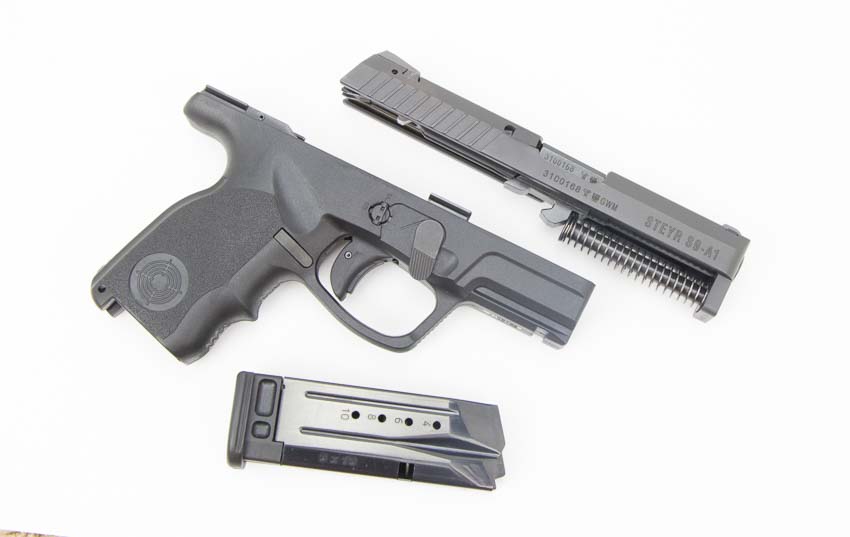
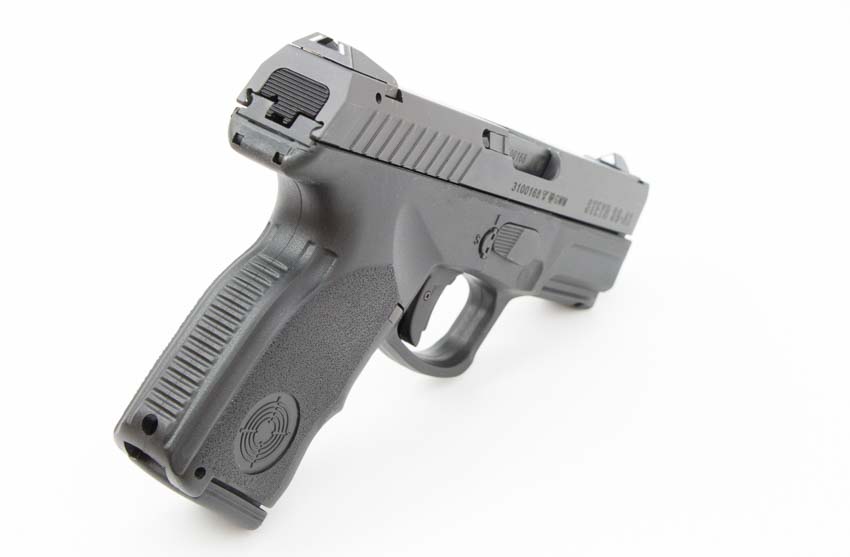
You feel that tradition in the S9-A1. It’s a polymer-framed, striker-fired pistol, thoroughly modern, the kind of compact 9mm a fellow buys for concealed carry or everyday carry. But it’s screwed together like the people who built it have done this once or twice before. Steyr Arms, the U.S. importer, sent me a sample to put through its paces, and I went in expecting competence. What I got was a little better than that.
What Makes the S9-A1 Tick
Let’s get the mechanical interrogation out of the way, because the voice of a gun is in its details.
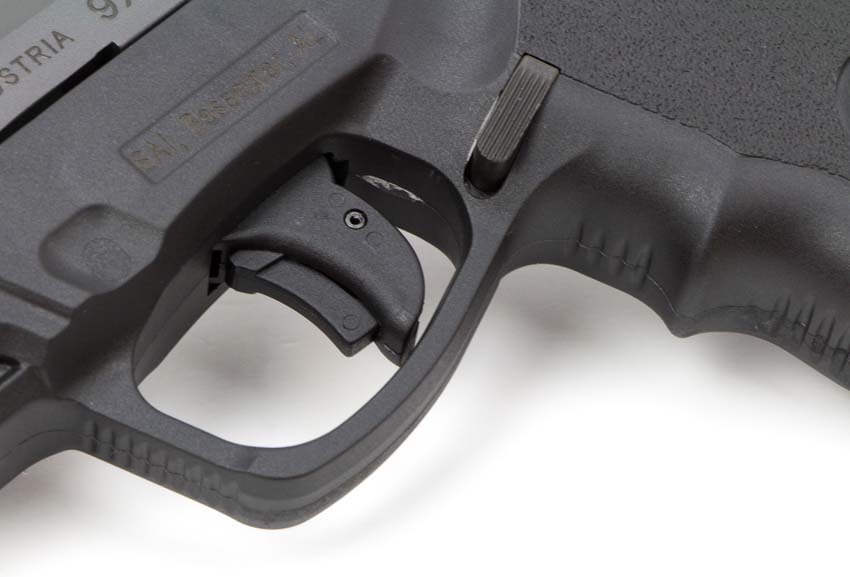
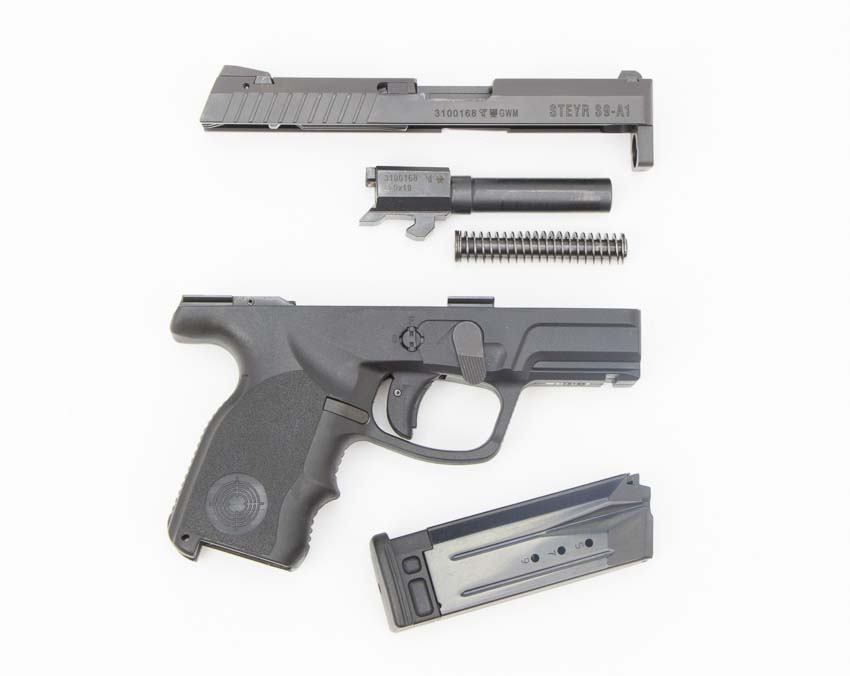
The S9-A1 runs a striker-fired, what Steyr calls a double-action ignition system, and the practical upshot is the thing you actually want in a fighting pistol: the same trigger pull, shot after shot after shot. There’s no external thumb safety to fumble for under stress. Instead, you get a trigger safety, the kind that switches itself off the instant you press the trigger like you mean it.
Now, plenty of makers run that gimmick and it works fine, but Steyr does it a touch smarter. The center lever on the S9-A1 trigger is noticeably wider than the skinny little blades you find on the competition, and the difference shows up in the hand. It doesn’t pinch, it doesn’t bite, and it doesn’t nag at your fingertip across a long string. I put my Lyman electronic gauge on it and ran a 10-pull average: the trigger broke at a clean 5.0 pounds. For a carry gun, that’s right in the wheelhouse: light enough for a fast, accurate press, heavy enough that you’re not going to surprise yourself.
Here’s where the Steyr earns its reputation. The S9-A1 sits on a famously low bore axis, which is a fancy way of saying the barrel rides close to the top of your hand instead of perched up high above it. The men in lab coats can argue all day about exactly how much that buys you, and they do, but I don’t trade in arguments. I trade in what the muzzle does when I press the trigger. And this muzzle stays put. There’s precious little flip when the gun goes off, and on a compact that’s no small thing.
One trade-off rides along with that low bore axis: a short slide height. I’ve handled low-bore guns before that left you pawing at a sliver of slide trying to rack the action, and I expected the same headache here. Not so. The slide on the S9-A1 is still tall enough to grab a fistful, and the serrations cut into it give your fingers something honest to bite. Working the action at speed was no trouble at all.
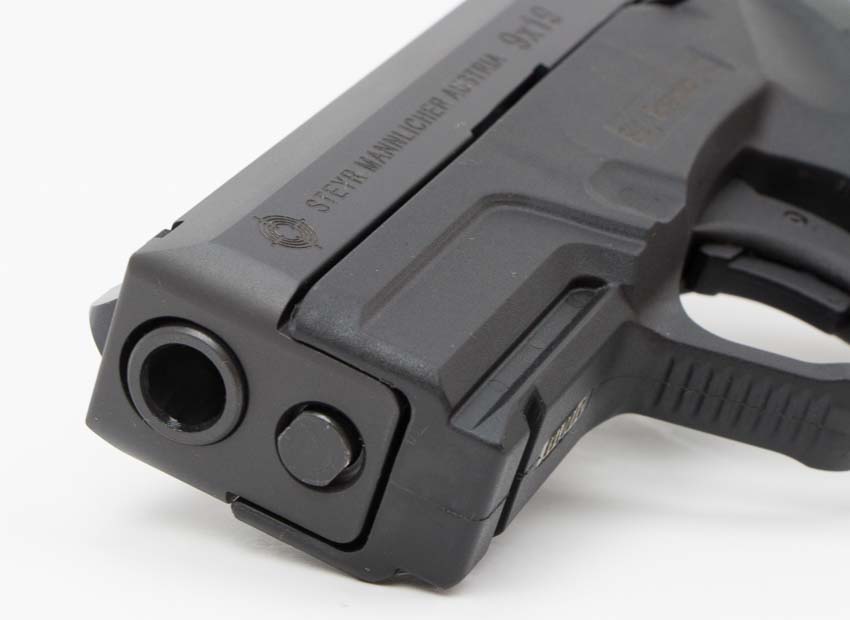
Underneath the dust cover, Steyr gives you an accessory rail, and a good thing, too. I hung a Streamlight TLR-2 G on it, the combination unit that pairs a white light with a bright green aiming laser, and the gun wore it without complaint. For a sidearm that might get pressed into low-light home-defense or duty work, that rail isn’t a luxury, it’s a necessity.
The trigger guard is enlarged enough to clear a fat winter glove, which the cold-climate crowd will appreciate. The front of the grip frame wears finger grooves, and I’ll be straight with you: I’m no fan of them. My fingers never seem to match whatever dimensions the designers had in mind, and a groove that fits the next man like a glove fights mine the whole way. My shooting hand wraps onto the frame completely, but just barely. The big-mitted reader should take note before he plunks down his money.
Steyr S9-A1 Specifications
- Caliber: 9mm
- Barrel length: 3.6 inches
- Overall length: 6.5 inches
- Weight (with unloaded magazine): 26.9 ounces
- Grips: polymer
- Sights: trapezoidal
- Action: striker-fired, semi-automatic
- Finish: matte black
- Capacity: 10+1
- MSRP: $560
The Trapezoidal Sights: Gimmick, or the Real McCoy?
I’m all for a new sight design, provided it’s actually trying to solve the oldest problem in the gunfight, getting an accurate shot on target before the other fellow does. But I’ve squared off against more “revolutionary” sights than I care to count, and most of them turned out to be more gimmick than gunsight. So when I first laid eyes on Steyr’s so-called trapezoidal sights, I had my suspicions. I figured Steyr had reached for a gimmick instead of true performance.
I was wrong, and I’ll say so out loud.
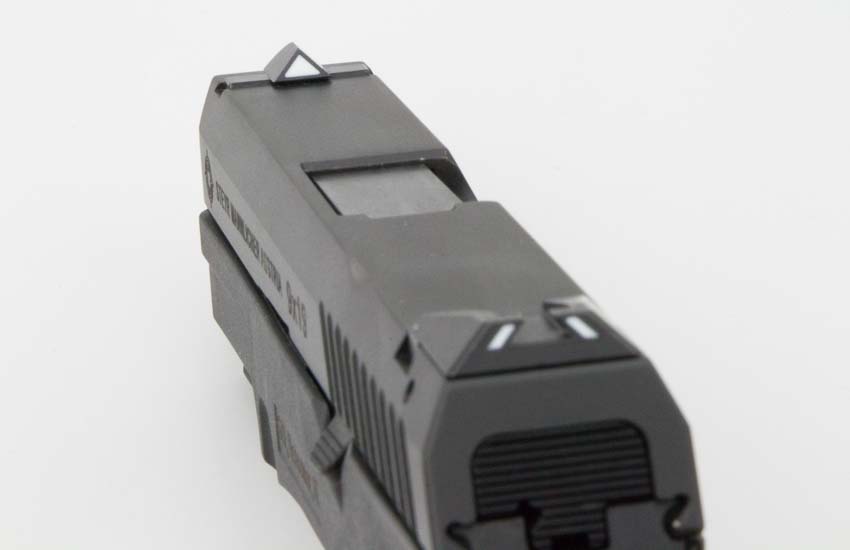
Here’s how the system works. The front sight is a big white triangle, not a dot but a triangle, and the rear is an angled notch flanked by two white lines, set up to outline the two upper edges of that front triangle when everything’s lined up the way it should be. The genius of it is in what your eye does on its own. The front triangle jumps into your field of view and grabs your focus; the rear stays slightly soft, the way a rear sight ought to; and those two rear bars naturally box the triangle in, confirming you’re on target without your brain having to file a report about it. In other words, the trapezoidal sights coax the eye into doing automatically what every decent firearms instructor on God’s green earth spends weeks trying to drill into a recruit: focus on the front sight.
Now let me get up on my soapbox, because this is where my years on the combat range come in. Based on everything I learned training officers, I’ve come to believe that the conventional three-dot sight is a poor design for shooting under pressure. Three dots, all the same size, all the same color, stacked in a row. Under the adrenaline dump of a self-defense encounter, that sameness breeds visual confusion at the exact moment you can least afford it. A front sight that’s large and bright cuts straight through the noise. The Steyr’s does precisely that.
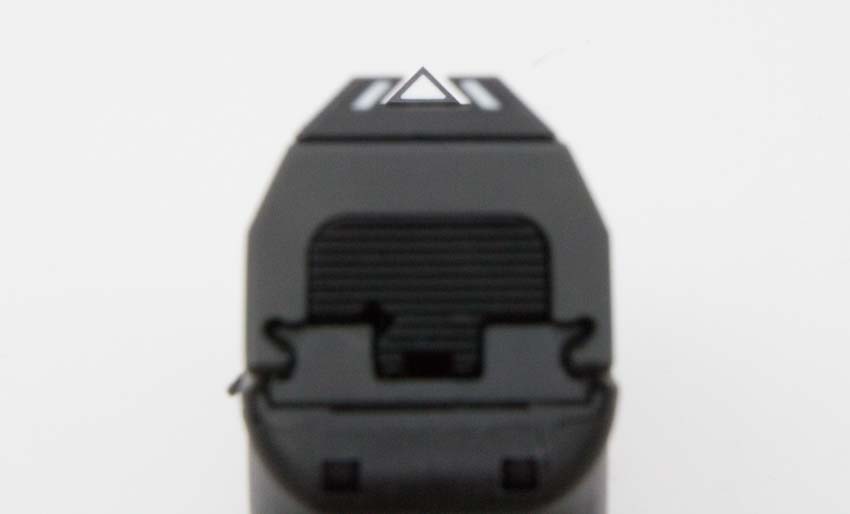
One caution worth a line: that rear sight has a ramped front edge, deliberately sloped so it won’t snag on a cover garment during the draw, a thoughtful touch for the concealed-carry man. The flip side is that the slope robs you of a ledge to hook on a belt or holster mouth for one-handed slide manipulation. You win some, you lose some.
A Little Heavy on the Nose, and Glad of It
Pick the S9-A1 up and you’ll notice it’s a bit front-heavy. The gun tips the scale right around 27 ounces, which makes it heftier than a lot of compacts and puts it shoulder-to-shoulder with a full-size duty piece like the Smith & Wesson M&P 9mm.
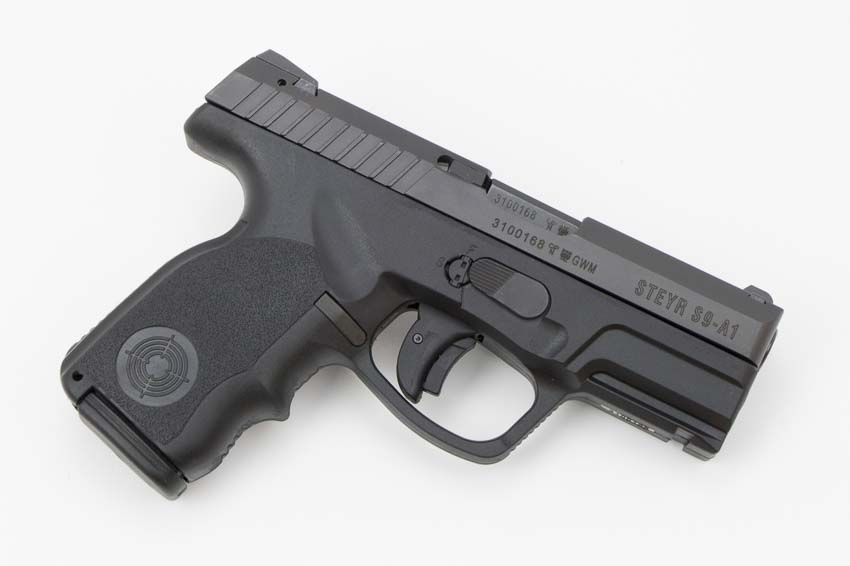
On paper that reads like a knock against a gun built for carry. In the real world, those extra few ounces ride out front exactly where you want the weight to be when the gun goes off, soaking up recoil without putting any meaningful drag on you as you carry it through a long day. I’ll take that bargain every time.
Range Time: 6 Loads Under the Hot Lamp
When I sit a pistol down for the third degree, I want to hear from the whole rogues’ gallery, not one cherry-picked load that makes the gun look good for the camera. My standing rule is at least 5 different loads before I’ll give a gun a thumbs-up, because reliability across a broad menu of ammunition is the difference between a range toy and a sidearm you’d bet your life on.
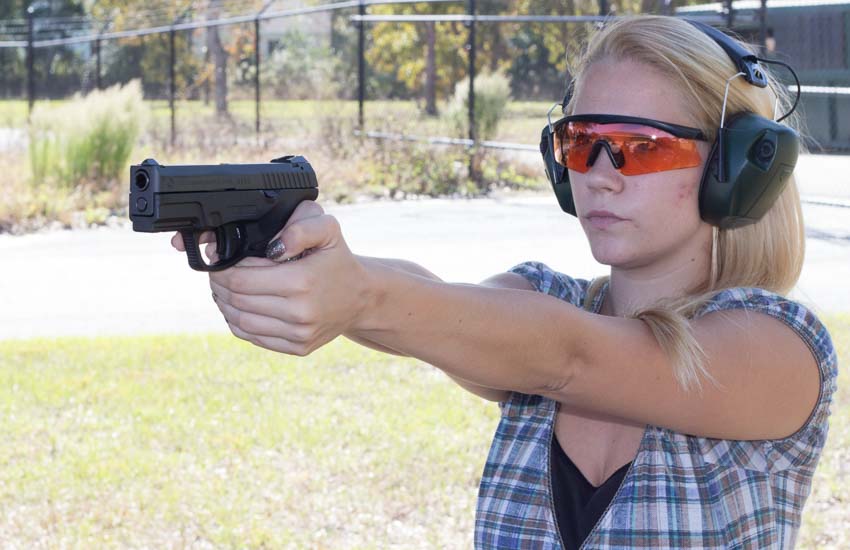
I ran six different factory loads across the chronograph and through the gun, representing five separate manufacturers, with bullet weights stretching from a featherweight 50 grains all the way up to a heavy 147-grain subsonic. I mixed in standard-pressure and +P loads, and I mixed up the bullet designs too: frangible, full-metal-jacket ball and a stable of hollow points. That’s about as varied a diet as you can feed a 9mm.
The S9-A1 ate every last round. It was 100% reliable, top to bottom. No failures to feed, no failures to extract, no stovepipes, no excuses. For a self-defense pistol, that’s the only grade that matters.
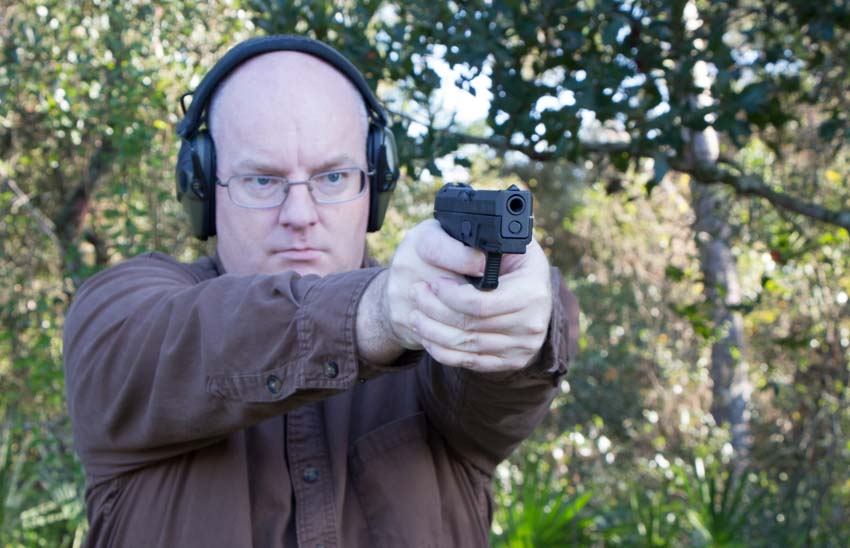
Out front of the muzzle I set up the chronograph, the one honest snitch in this whole business, the gadget that won’t let a gun lie about how fast it’s really pushing a slug. The numbers from three representative loads, each an average of five shots clocked 15 feet from the muzzle, tell the story plainly:
- Aguila 124-grain FMJ ran 1,078 fps and printed a five-shot group of 2.125 inches at 7 yards, offhand.
- Hornady Critical Duty 135-grain +P clocked 1,047 fps with a 2.25-inch group.
- Winchester PDX1 Defender 124-grain +P topped the lot at 1,131 fps and a tight 1.625 inches.
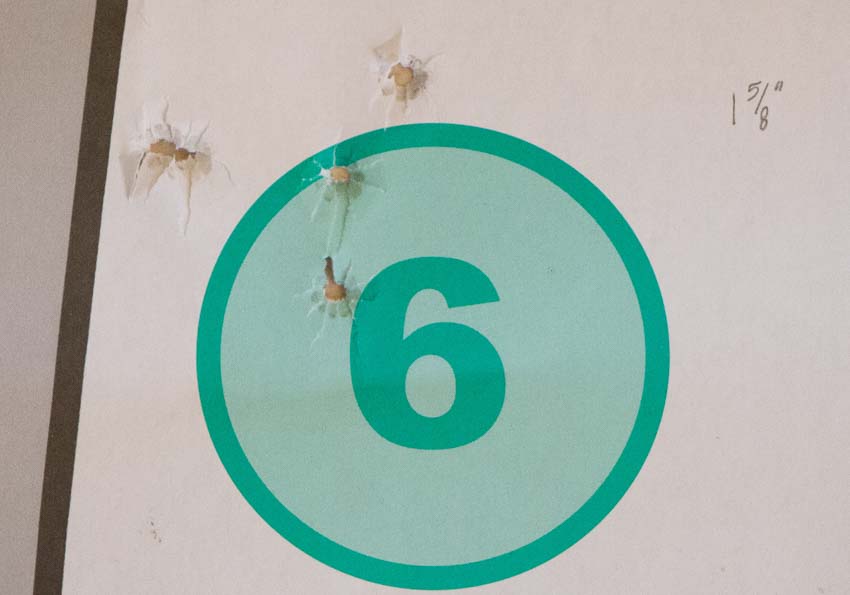
That Winchester PDX1 +P deserves a special mention. I’ve been wringing out that line in a whole spread of handguns lately, and it’s been reliable in every last one while turning in groups that make a fellow look like a better shot than he is. In the S9-A1 it gave me my best five-shot cluster of the entire test: 1.6 inches at 7 yards, shot unsupported. Most of the rest of the lineup hovered around 2.5 inches at the same distance, which is plenty good for the work this gun is built to do. The combat-range standard has always been simple: can you keep your shots in the man-stopping zone at 7 yards, fast, when the heat is on? The S9-A1 answers that with a clean yes.
Felt recoil and muzzle flip were mild, mild enough that even a smaller-statured officer could run this gun in rapid double-action fire without the muzzle climbing off the target between shots. The 9mm is an easy-shooting cartridge to begin with, but compacts have a nasty habit of kicking harder than their full-size cousins, and plenty of them do. Not this one. With a solid two-hand grip the nose barely lifted, and that big white front triangle stayed parked in my vision shot after shot, confirming I was still on target with every follow-up. That, friend, is what front-sight focus is supposed to feel like.
Ammunition Test Data
| Load | Velocity | Energy | Accuracy |
|---|---|---|---|
| Aguila 124-gr. FMJ | 1,078 fps | 320 ft-lbs | 2.125″ |
| Blazer Brass 115-gr. FMJ | 1,064 fps | 289 ft-lbs | 2.625″ |
| Hornady Critical Duty 135-gr. +P | 1,047 fps | 329 ft-lbs | 2.25″ |
| Liberty Civil Defense 50-gr. +P | 1,948 fps | 329 ft-lbs | 2.5″ |
| Winchester 115-gr. JHP | 1,057 fps | 285 ft-lbs | 2.375″ |
| Winchester 124-gr. PDX1 Defender +P | 1,131 fps | 352 ft-lbs | 1.625″ |
Velocity is an average of five shots, measured by a chronograph 15 feet in front of the muzzle, in feet per second. Accuracy is a five-shot group at 7 yards, shot offhand, listed in inches.
The One Bone I’ve Got to Pick
No interrogation ends with a clean sheet, and the S9-A1 has one mark against it that I won’t paper over: the girth of the grip. The frame is wide, wide enough that, while I could reach the trigger without any drama, the thickness kept me from getting at the magazine release the way I like to. My reloads ran noticeably slower with this pistol than I’ve come to expect from guns of this general breed. I’ve got medium-sized hands, so the long-fingered shooter may not feel the pinch the same way I did.
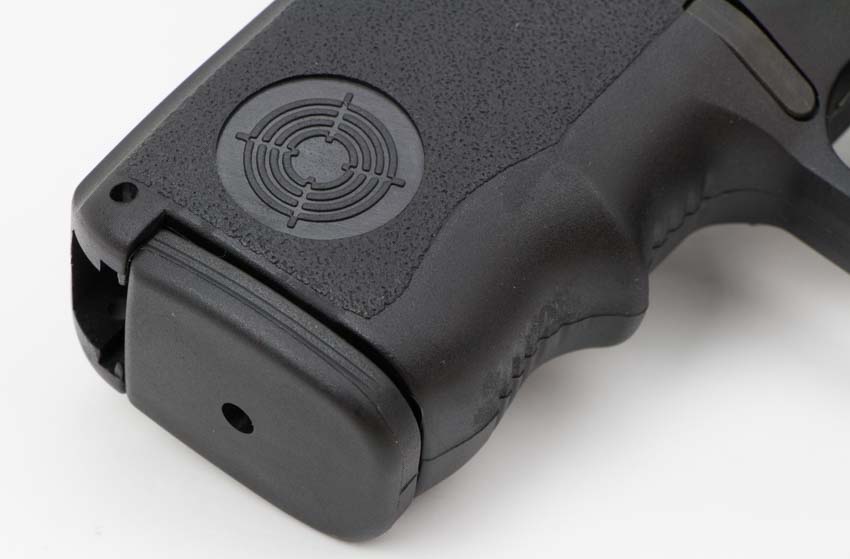
And that’s the honest truth of grip fit: what’s too much gun for one man is just right for the next. My good friend and a genuinely first-rate trainer, Grant Cunningham, finds the Steyr fits his hands like it was molded for them. So before you take my say-so as gospel, do the smart thing: walk into your local gun shop and put the S9-A1 in your own paw. Nothing on this earth beats wrapping your own hand around the grip frame.
Carrying the Steyr: Riding in a Good Holster
A pistol’s no better than the rig that carries it, so during testing the folks at Black Storm Defense sent over their Signature Hybrid Holster to run with the gun. It’s an inside-the-waistband design, a leather backer married to a Kydex shell that locks the gun solidly in place.
I fiddled with the mounting screws to dial in the retention exactly where I wanted it, and the result was a clean, positive draw and a gun that sat secure and comfortable against the body. For a concealed-carry pistol, the holster is half the system, and this one held up its end.
The Verdict From the Back Room
I came into this Steyr S9-A1 review half expecting another competent but forgettable compact, and the gun talked me out of it. It performed without a single hiccup across 15 loads and nine makers. Recoil was light, the trapezoidal sights were remarkably instinctive, and running the pistol hard and fast, the way a man runs a gun when he’s fighting for his life, was no trouble at all. At an MSRP of $560, it undercuts a good slice of the competition while giving away nothing in the way of performance. That’s value, plain and simple.
My hand wasn’t a perfect match for that broad grip, and I won’t pretend otherwise. But if you put the S9-A1 in your hand and it fits, and for a great many shooters it will, I wouldn’t hesitate to recommend it for a moment. There’s no shortage of good self-defense pistols on the market today, and the Steyr S9-A1 is flatly one of them. Whether it’s the right gun for you is a verdict only you can hand down, but it surely belongs on the docket. Don’t let the quiet ones fool you. Sometimes the professional you never noticed is the one you should’ve been watching all along.