
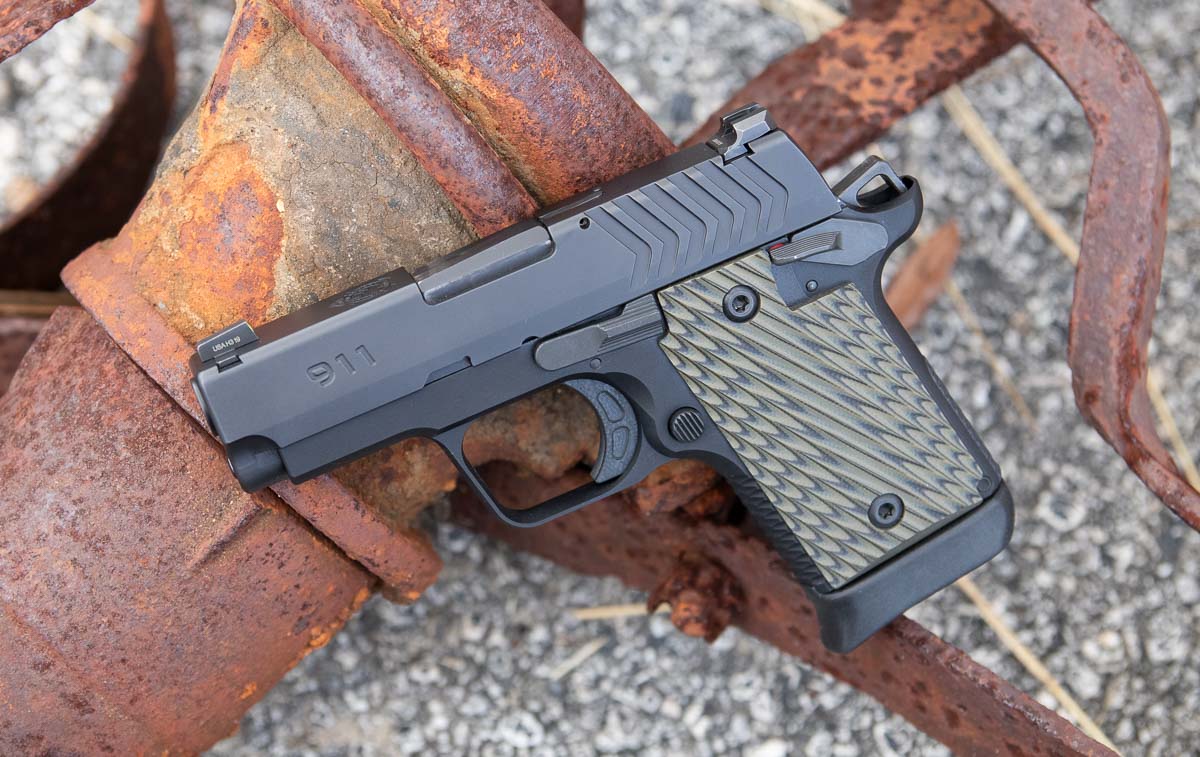
I wrote this review using my personally owned Springfield 911 chambered for the 9mm cartridge.
If you have spent any time around the 1911 platform, you already know why people are so loyal to it. The trigger, ergonomics, manual safety, and overall feel are hard to beat. The downside, of course, is size and weight.
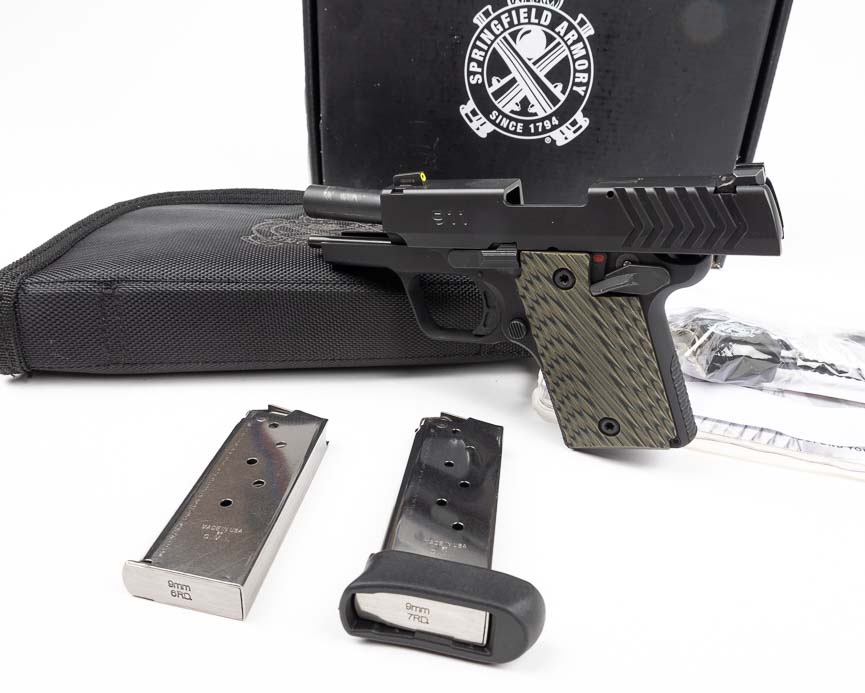
That is where the Springfield Armory 911 comes in, and this Springfield 911 9mm review is based on hands-on time with my own pistol as a serious concealed carry option.
The Springfield 911 is clearly inspired by the classic 1911, but it is not simply a scaled-down Government Model. It is its own design, built to deliver 1911-style handling in a compact, lightweight package that makes sense for everyday carry.
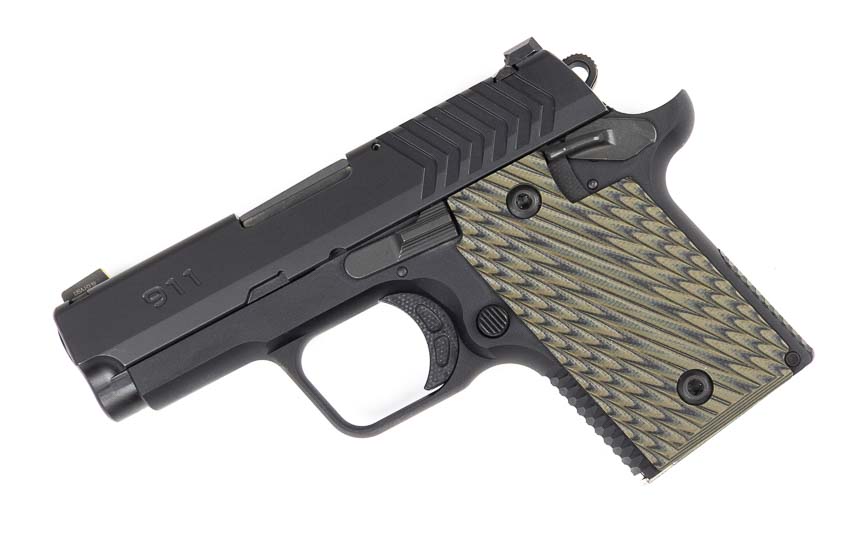
After spending several months shooting, carrying, and evaluating the 9mm version of the handgun, I came away with a solid understanding of where this pistol shines and where its limitations are.
Overview of the Springfield 911 9mm
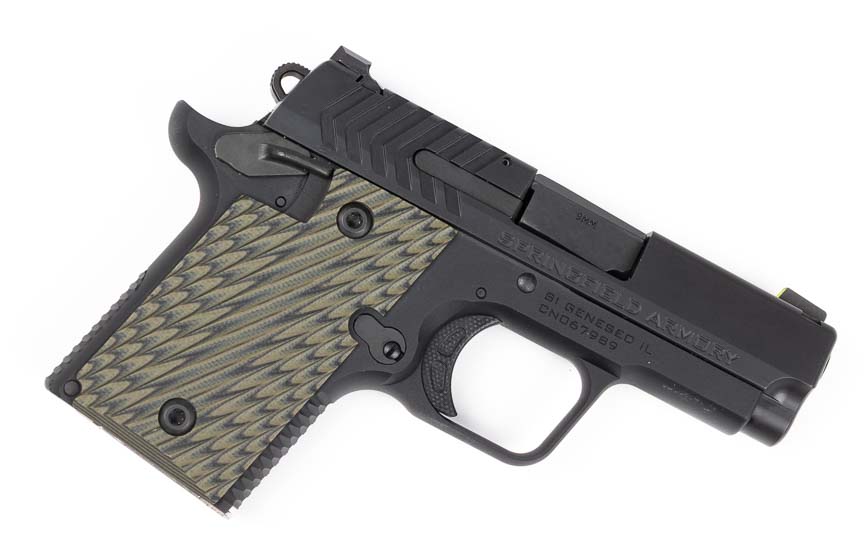
At first glance, the Springfield 911 looks like a miniature 1911, and that is very much intentional. The pistol uses a single-action trigger, frame-mounted ambidextrous thumb safety, and grip angle that will feel instantly familiar to anyone who has run a 1911 before.
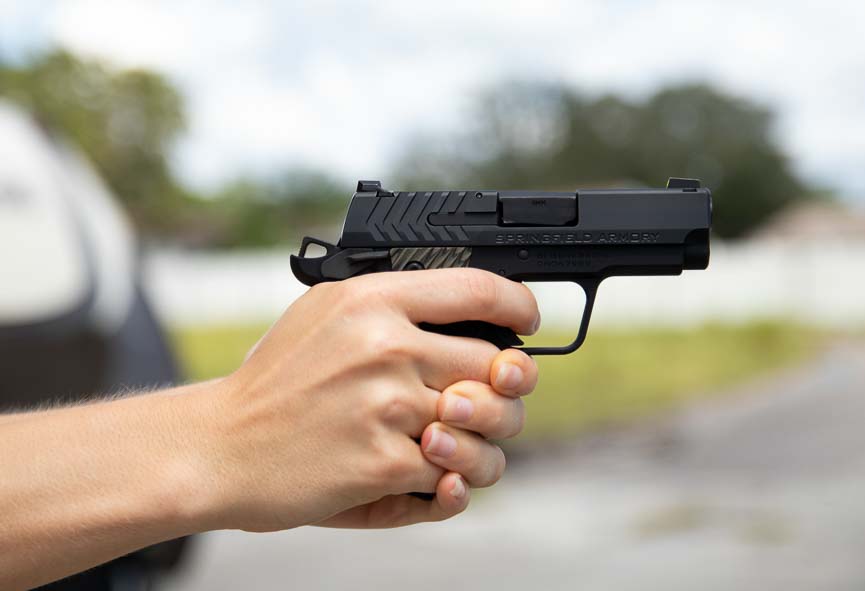
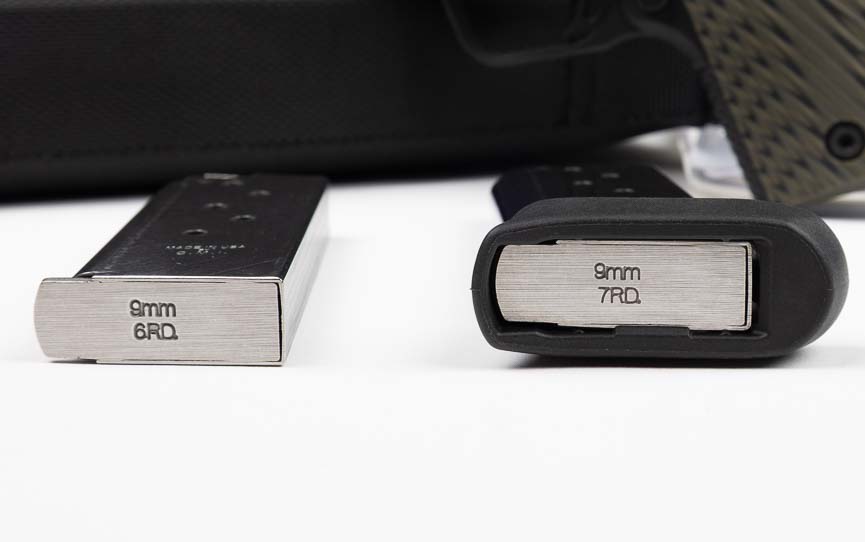
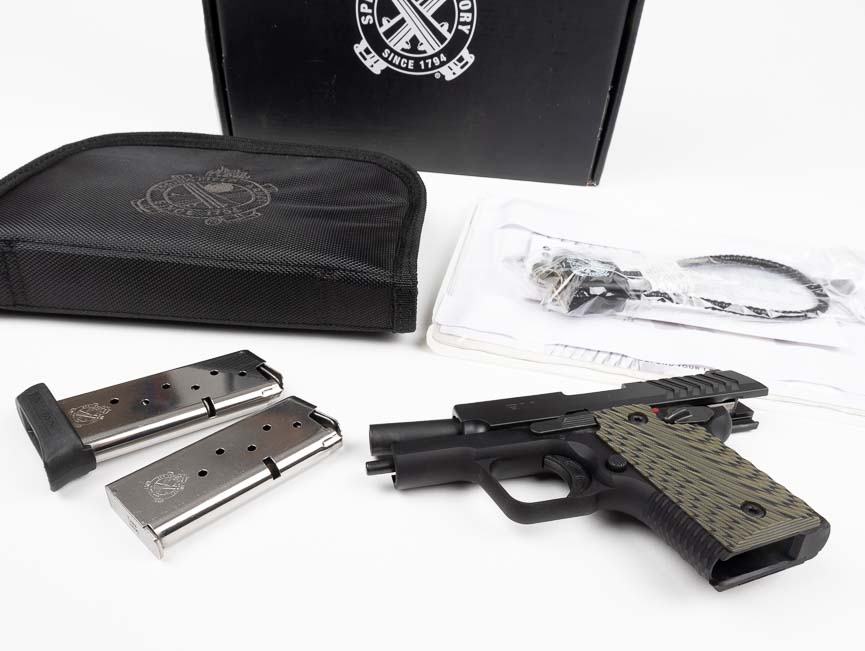
Springfield offers the 911 in both .380 ACP and 9mm. For this review, I focused exclusively on the 9mm version. Capacity is six rounds in the flush-fit magazine and seven rounds with the extended magazine. That puts it squarely in the same category as pistols like the Glock 43 and ahead of traditional five-shot J-frame revolvers in terms of on-board ammunition.
The pistol uses a 3″ barrel with a full-length guide rod, a flat wire recoil spring, and an external extractor. While it clearly borrows from the 1911 concept, Springfield did not try to force traditional 1911 internals into a gun this small. The result is a pistol that retains the spirit of the platform while being engineered specifically for the micro-compact role.
Materials and Build Quality
One of the first things I noticed when handling the Springfield 911 is that it feels solid. The frame is made of 7075-T6 aluminum, the same heat-treated alloy used in military rifle receivers. That choice keeps the weight down while still providing excellent durability. The frame is finished with hard-coat anodizing that should hold up well to sweat, moisture, and daily carry abuse.
The slide is steel, and the overall fit between slide and frame is tight without being overly stiff. Controls are positive and well-defined. The thumb safety clicks on and off with authority, and the slide stop is easy to reach without being oversized.
The grip panels on my gun were G10, a fiberglass laminate known for its strength and resistance to moisture and chemicals. The texture provides good traction without being overly aggressive.
Sights and Sight Picture
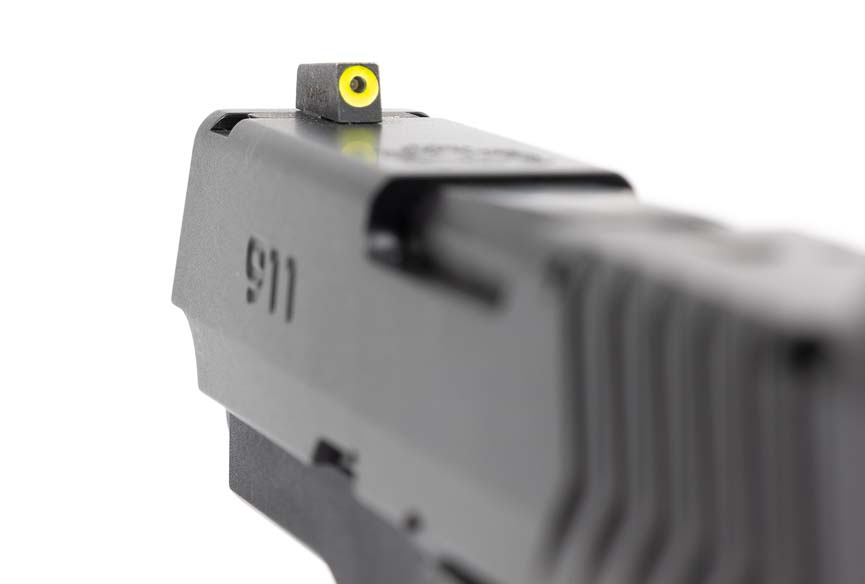
Up front, the 911 uses a Pro-Glo front sight that combines a tritium vial with a photoluminescent ring. In low or no light, the tritium provides a glowing reference point. In transitional light or full daylight, the photoluminescent ring appears bright and easy to pick up. The yellow-green color stands out well against most backgrounds.
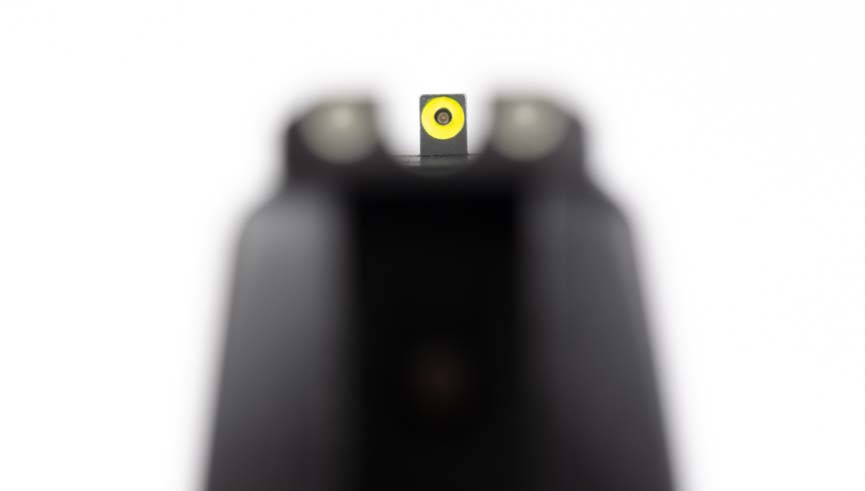
The rear sight features a U-shaped notch with two tritium vials. The U-notch pairs nicely with the front sight and makes alignment quick, especially under stress. One detail I appreciate is the hard leading edge on the rear sight, which allows for one-handed slide manipulation off a belt or holster if needed.
Trigger and Controls
The trigger on the Springfield 911 is one of its strongest features. It is a single-action trigger with a clean break and a short, tactile reset. While it is not a match-grade 1911 trigger, it is far better than most triggers found on striker-fired micro pistols.
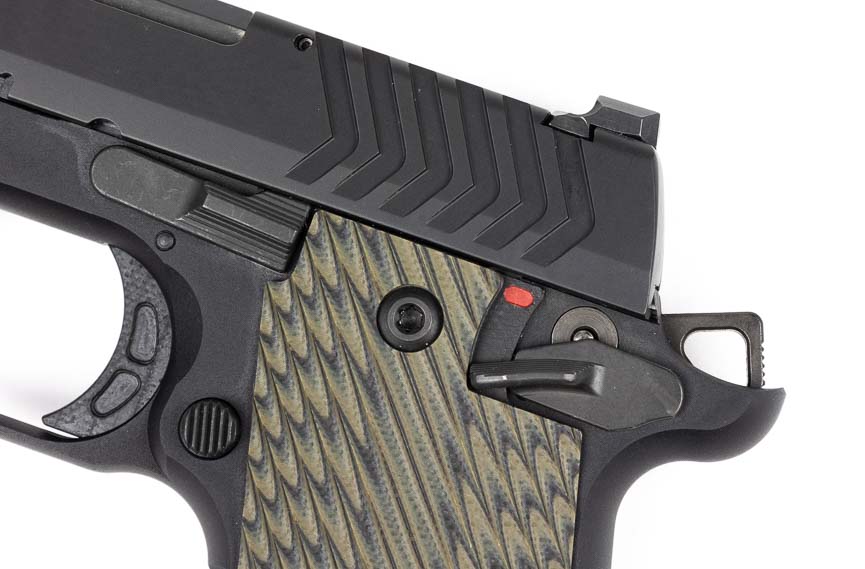
Because it is a single-action pistol with a manual safety, the trigger weight feels light and crisp. That makes accurate shooting easier, especially at distance, but it also reinforces the importance of proper training and safe handling. This is not a pistol for someone who wants to skip learning a manual safety.
All of the controls are ambidextrous, including the thumb safety. That makes the 911 a viable option for left-handed shooters without compromise.
Range Testing the 911 Pistol
Reliability is non-negotiable in a defensive pistol, and this is where the Springfield 911 really impressed me. During my testing, the pistol ran flawlessly. I experienced zero malfunctions across a wide range of ammunition types and bullet weights.
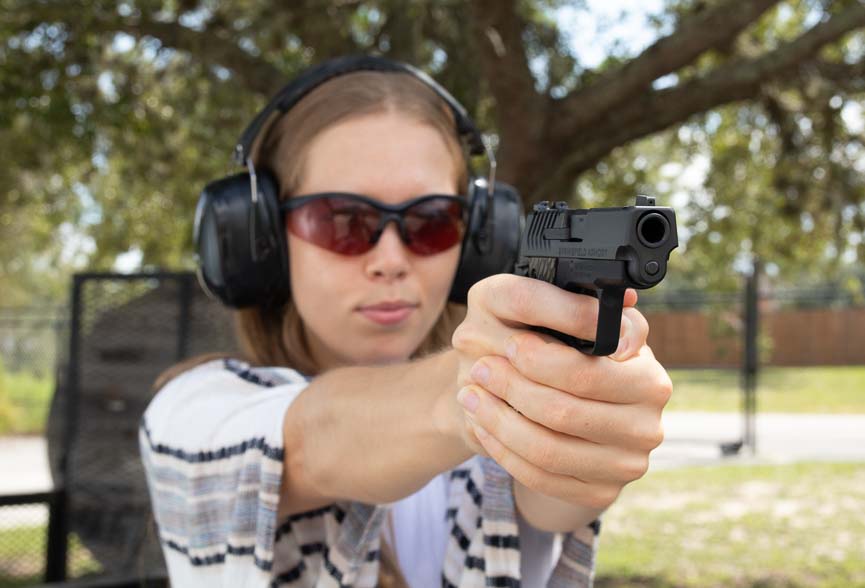
I tested everything from lightweight, high-velocity loads to heavy defensive hollow points. Specifically, I ran Liberty Ammunition 50-grain JHP +P, Federal HST 147-grain JHP, and standard pressure FMJ loads like Fiocchi 124-grain FMJ. Every round fed, fired, extracted, and ejected without issue.
This was particularly encouraging because I have previously tested other micro 1911-style pistols that struggled with ultra-light loads. The Springfield 911 had no such issues and appeared well-tuned for a broad range of ammunition.
Accuracy and Practical Performance
| Velocity | Energy | |
|---|---|---|
| Federal HST 147-grain JHP | 923 fps | 278 ft-lbs |
| Fiocchi 124-grain FMJ | 1,051 fps | 304 ft-lbs |
| Liberty Ammunition Civil Defense 50-grain JHP +P | 1,924 fps | 411 ft-lbs |
Accuracy with a small pistol like this is always a balancing act. You have a short sight radius, reduced grip area, and more felt recoil compared to larger guns. That said, the Springfield 911 performs very well at realistic distances in a defensive encounter.
Shooting offhand at 15 yards, I was able to keep all rounds in the upper chest of a man-sized target. That level of accuracy is more than sufficient for a concealed carry pistol of this size. The trigger and sights do most of the heavy lifting here, making it easier to shoot well than with many striker-fired micro pistols.
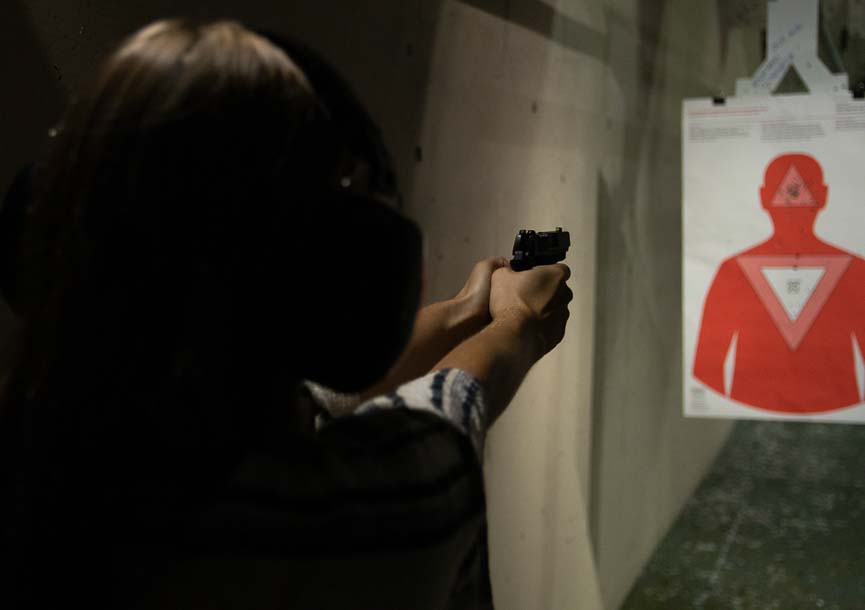
From a bag rest, I was able to tighten things up further. Five-shot groups at 15 yards averaged between roughly 3 and 4 inches, depending on the load. Federal HST 147-grain ammunition produced the tightest average groups, while the high-velocity Liberty load still grouped respectably despite its extreme speed.
Velocity was measured using a chronograph placed ten feet from the muzzle, and results were consistent with expectations for a 3-inch barrel. While you give up some velocity compared to a full-size pistol, the numbers were still well within the effective range for modern defensive ammunition.
Recoil and Shootability
Recoil with the Springfield 911 is best described as moderate. It is not punishing, but it is not a beginner-friendly soft shooter either. New shooters or those without experience managing recoil in small pistols may find it snappy.
For me, recoil was very manageable. Anyone familiar with the 1911 platform will likely adapt quickly. The straight-back trigger press and predictable recoil impulse make follow-up shots reasonable for a gun of this size.
The biggest ergonomic limitation of the Springfield 911 is grip size. With the flush-fit magazine, my pinky finger hangs completely off the bottom of the grip. There is no front lip or extension to catch it, which reduces control slightly during recoil.
The extended magazine solves this problem. In addition to providing an extra round, it gives my pinky enough real estate to assist with grip. While the pinky is not the strongest finger, having it engaged noticeably improves control and confidence.
The G10 grips provide excellent traction, but they do not fill my hand particularly well. Springfield offers versions of the 911 with rubber wraparound grips, and I find those a better option for shooters with larger hands. They add a bit of bulk without compromising concealability.
Final Thoughts on the Springfield 911 9mm
After spending time with the pistol, this Springfield 911 9mm review comes down to one simple conclusion. It is a capable, reliable, and well-designed defensive pistol for the right shooter.
It offers excellent sights, a crisp trigger, solid accuracy, and 100 percent reliability across a wide range of ammunition. It delivers respectable capacity in a very compact package and stays true to the handling characteristics that make the 1911 platform so appealing.
It is not a beginner gun, and it is not for someone who dislikes manual safeties. But for shooters who appreciate the 1911 and want a lighter, smaller option for everyday carry, the Springfield 911 is absolutely worth a serious look.