
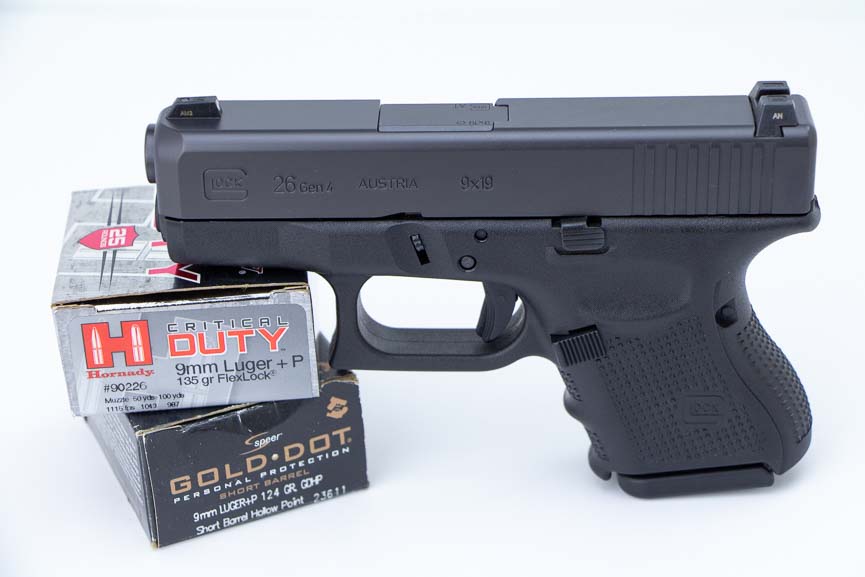
My first Glock 26 came home with me in 1998. I was a patrol officer at a suburban Atlanta police department, carrying an issued full-size Glock 17 on duty, and I needed a backup gun that played nicely with the pistol on my hip. The G26 fit the bill so completely that I have carried a variation of it, on and off, ever since.
Nearly three decades later, the Glock 26 is still in the company’s catalog. Plenty of subcompact 9mm pistols have come and gone in the meantime. The “Baby Glock” has outlasted most of them by sticking to what made it work in the first place: it is small enough to disappear under a t-shirt while big enough to be a serious defensive weapon.
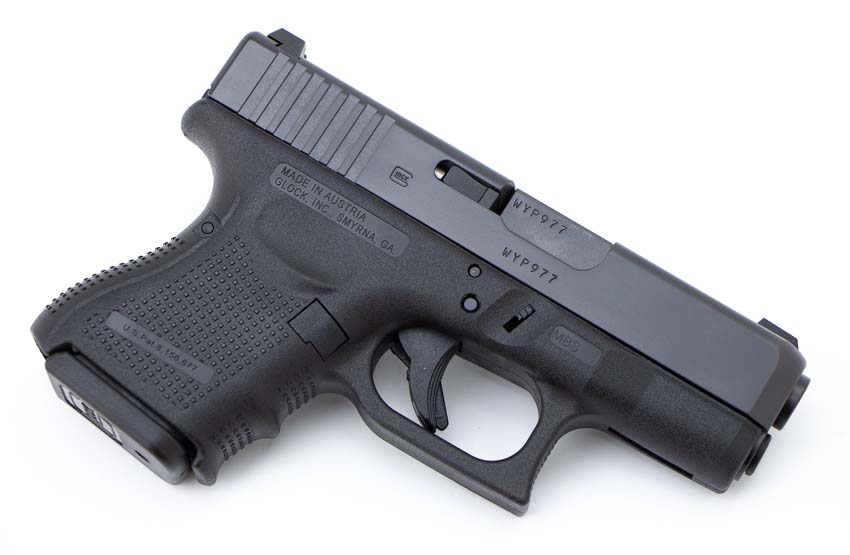
This Glock 26 review covers the Gen 4 version of the pistol from the perspective of a working cop and concealed carrier who has run thousands of rounds through the platform over the years. I’ll share my range results, ammo testing, carry considerations, and where I think it fits in 2026 against a market crowded with single-stack and micro-compact 9mm competitors.
Quick Look: The Glock 26 is a 10+1 capacity subcompact 9mm pistol designed for concealed carry and backup gun duty. It uses the same controls, takedown, and magazine system as the full-size Glock 17 and compact Glock 19, making it a natural fit for shooters already inside the Glock ecosystem.
A Short History of the Glock 26
The Glock 26 was introduced in 1995 as the company’s first true subcompact. Glock had already cracked the duty market with the Glock 17 and the compact-sized Glock 19. The G26 was the answer to a different question: how small can you make a high-capacity 9mm without giving up the reliability and shootability the brand was built on?
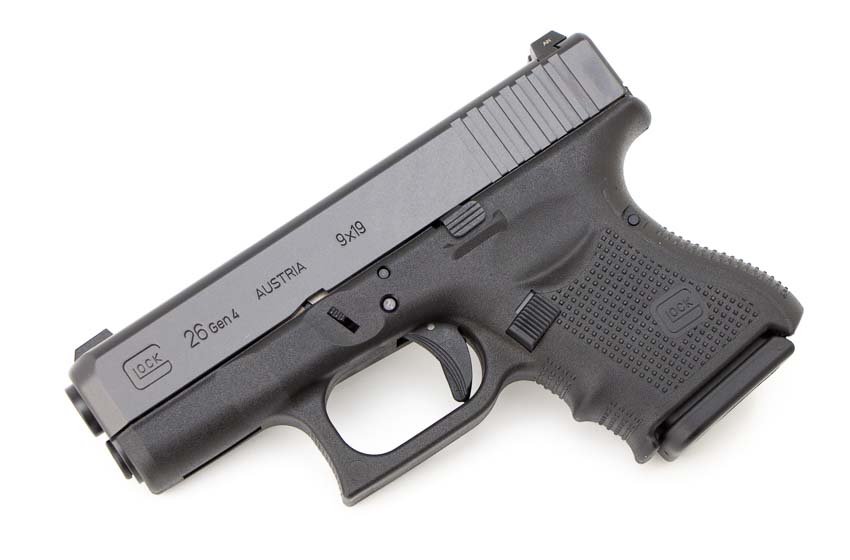
The answer, as it turned out, was very small. The G26 launched with a 10-round flush-fit magazine, double-stack frame, and the same striker-fired Safe Action system as its big brothers. It quickly became a favorite for police officers: carried as a backup gun on duty and as a compact defensive weapon off duty.
But the gun also hit at the perfect time for concealed carry. During this time, the United States had a magazine capacity limit of 10 rounds. That put the Glock 26 perfectly positioned as a small gun that was reliable and carried the maximum number of rounds (legally) possible.
I bought my first one for backup gun duty specifically because of one feature that other subcompacts of the era could not offer: magazine compatibility with the duty pistol. A G17 magazine drops right into a G26 and runs. In a worst-case scenario where my primary went down and I had to transition, every magazine on my belt still fed the backup. Many years later, that argument has not gotten any weaker.
Glock 26 Specs at a Glance
- Caliber: 9x19mm
- Action: Striker-fired, Safe Action
- Capacity: 10+1 (flush-fit); accepts 12, 15, 17, 19, 24, and 33-round Glock magazines
- Barrel length: 3.43 inches
- Overall length: 6.5 inches
- Height: 4.17 inches (with flush magazine)
- Width: 1.18 inches
- Weight: 21.71 ounces (unloaded, with magazine)
- Sights: Polymer fixed (factory); compatible with most aftermarket Glock-pattern sights
- Trigger pull: ~5.5 pounds (factory)
- Frame: Polymer with modular backstraps (Gen 4)
Gen 4 Update: What Actually Changed
The pistol I am reviewing here is a Glock 26 Gen 4. Glock has marketed the line under the “Glock Perfection” banner for decades, but the truth is that the pistols have quietly evolved since the original G17 reached American shores in the 1980s. There have been frame texture changes, finger groove revisions, color options, and other tweaks along the way. The four generations represent the meaningful structural updates.
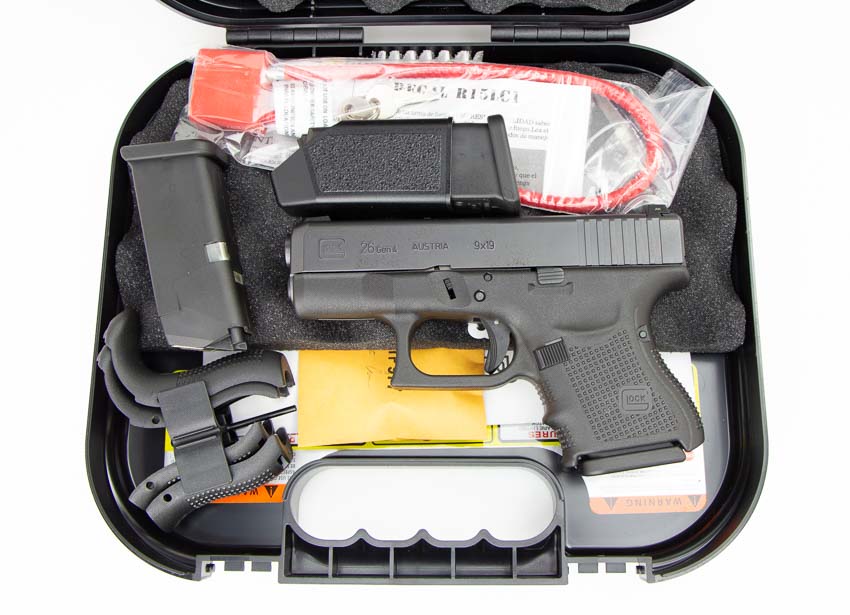
Gen 4 production began in late 2009 and rolled across the model line over the following years. Gen 5 followed in 2017, and a Gen 5 Glock 26 is now available alongside the Gen 4. I will get to the Gen 5 context shortly. First, here is what the Gen 4 brought to the G26.
Rough Texture Frame (RTF)
The Gen 4 grip uses a more aggressive checkering pattern than the smooth, pebbled Gen 3 frame. The result is a noticeably firmer hold with wet, sweaty, or bloody hands. It is a meaningful improvement in a defensive pistol without being abrasive over a long range session.
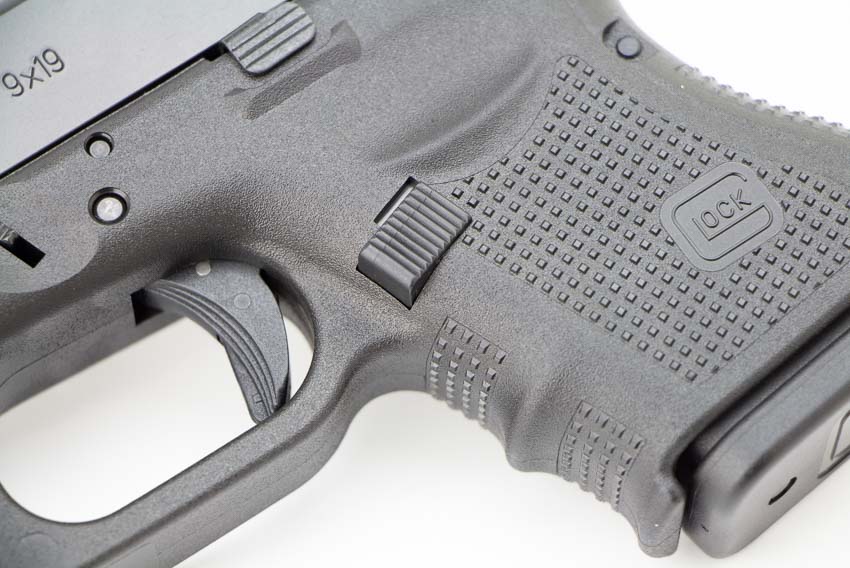
Worth noting: this is not the same as the RTF2 finish Glock briefly offered around 2009. That earlier texture had small polymerized spikes that felt like 60-grit sandpaper. Some shooters loved it. Most did not. The Gen 4 RTF lives in the middle and is the better answer for most users. And yes, the numbering is confusing. RTF2 came before RTF. Glock did not consult me.
Reversible, Enlarged Magazine Release
The Gen 4 magazine catch is substantially larger than the older one. I never had real trouble with the smaller release on Gen 3 guns, but the bigger button is easier to hit cleanly under stress without breaking my firing grip. It is also reversible for left-handed shooters, which is a long-overdue feature on a pistol used as widely as this one.
Modular Backstrap System
This is the change I expected to ignore and ended up appreciating. Glock was late to the swappable backstrap party. By the time the Gen 4 came out, Smith & Wesson, Springfield Armory, and Heckler & Koch had all been doing it for years. When Glock finally added it, they had plenty of examples from which to draw inspiration.
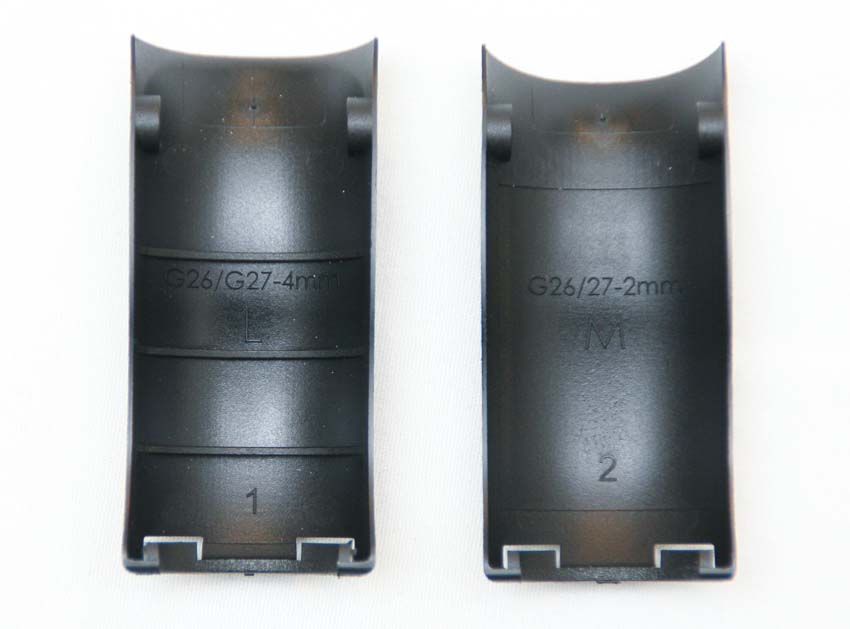
The medium backstrap matches the trigger reach of a Gen 3 grip. Pulling it off shortens reach by about 0.08 inches. Adding the large strap pushes it the other way by the same amount. On paper, that sounds trivial. In hand, the difference is noticeable, and it lets a shooter dial in the right amount of finger on the trigger face.
The size of the Gen 3 grip never bothered me. But the first time I picked up the Gen 4 with no backstrap installed, I understood immediately why so many Glock owners pay gunsmiths for grip reductions. The shorter trigger reach felt like the gun finally fit me.
Dual Recoil Spring Assembly
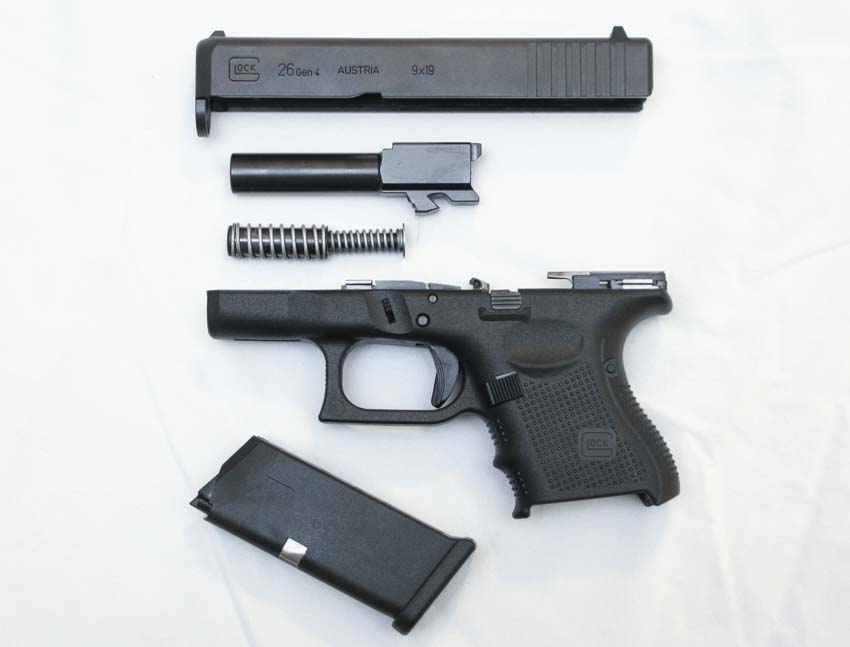
Larger Gen 4 pistols like the Glock 17 and Glock 19 got a new dual recoil spring assembly with the generation change. The Glock 26 has used a dual recoil spring assembly since launch, so this is not a new feature on the subcompact. It is one reason the little gun handles 9mm recoil better than its size suggests it should.
A Note on Gen 5
If you are shopping a Glock 26 in 2026, you will see Gen 4 and Gen 5 models side by side. The Gen 5 dropped the finger grooves on the front strap, added the Glock Marksman Barrel, switched to the nDLC slide finish, and reversed the magazine release to be ambidextrous out of the box. It also flared the magazine well slightly for faster reloads.
The Gen 4 reviewed here is still a fine pistol, and used Gen 4 G26s are widely available. The Gen 5 is the current production answer if you want the latest refinements. Either way, the fundamentals of what makes the G26 work are intact.
Carry, Concealment, and the Backup Gun Role
The Glock 26 has always been pitched as a dual-purpose pistol: primary concealed carry for the armed civilian, and backup gun for officers carrying a full-size or compact 9mm on duty. It does both jobs well, but the trade-offs are different.
For primary concealed carry, the G26 sits in the sweet spot for a lot of carriers. It is small enough for inside-the-waistband carry under normal clothing, but it gives up surprisingly little capacity. A 10+1 starting load with a 12-round extended magazine in reserve is a serious 23-round commitment in a package that disappears at the appellate court or the grocery store.
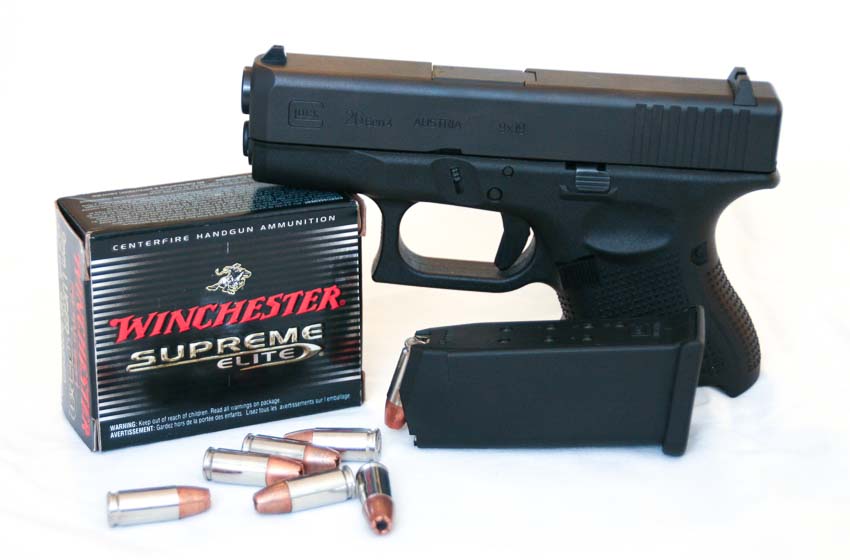
For backup gun duty, the math gets even more compelling. When the G26 sits behind a Glock 17 or Glock 19 primary, every magazine on the duty belt fits the backup. I wrote the backup-gun policy at one of the departments I worked for, and that magazine commonality was a major reason I pushed the Glock 26 as the recommended option for officers who chose to carry one. In a real-world transition under stress, a shooter does not need to think about which magazine fits which gun. That cognitive load reduction matters.
Holster support is essentially unlimited. Every major holster maker, from Safariland to JM Custom Kydex to Tier 1 Concealed, makes something for the G26. Pocket carry is feasible with a dedicated pocket holster and the right pants, but the gun is on the upper edge of what most pockets will comfortably conceal. For most carriers, an inside-the-waistband holster at the appendix or strong-side hip is the right call.
Range Time: 800+ Rounds Through the Gen 4
I put roughly 800 rounds through this Glock 26 over several range sessions, mixing range fodder with defensive ammunition. The headline result is what you would expect from a Glock: reliable, accurate, and unpretentious.
I induced exactly one malfunction in the entire test, and it was my fault. Early in the first range trip, I shot the gun with a deliberately weak grip to see how it behaved. It failed to return fully to battery. A standard tap-rack-bang cleared it, and a proper grip prevented any repeats. This is consistent with every other Glock I have run. The little ones are slightly more sensitive to limp wrist than the full-size pistols simply because there is less mass for the slide to work against, but a competent two-handed grip puts the issue to rest.
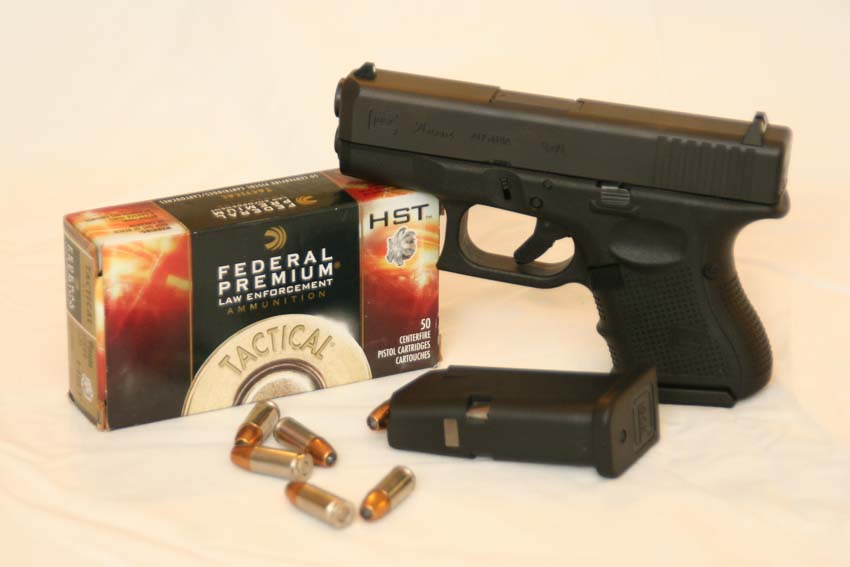
For practice ammunition, I ran mostly Winchester White Box and Federal American Eagle in 115-grain and 124-grain weights. For defensive testing, I cycled through Federal HST, Speer Gold Dot in standard and +P pressure, and SIG Sauer V-Crown. Everything fed, fired, extracted, and ejected without complaint after the limp-wrist event.
The Gen 4 grip texture earned its keep. Several hundred rounds in a single session never raised a hot spot on my palm, but the texture stayed sticky even with sweat. That is a hard balance to hit, and Glock got it right.
Ammo Testing Results
I chronographed four representative loads and shot five-shot groups at 7 yards off-hand. Velocity is the average of five shots, measured 9 feet from the muzzle.
| 9mm Load | Velocity (fps) | Accuracy (5-shot group at 7 yards) |
|---|---|---|
| Blazer Brass 115 gr FMJ | 1,077 | 2.20″ |
| Federal HST 124 gr JHP +P | 1,098 | 1.95″ |
| SIG SAUER 147 gr JHP | 923 | 1.87″ |
| Winchester Defender 124 gr JHP +P | 1,101 | 2.45″ |
The 147-grain SIG load gave the tightest group of the test and also produced noticeably less muzzle flip than the +P loads. For carriers who want a heavier bullet with less perceived recoil, a 147-grain load is worth a look. The Federal HST +P remains my personal carry choice in this gun based on its performance in independent terminal ballistic testing over the years.
Pros and Cons
Pros
- Reliable across a wide variety of ammunition
- Magazine compatibility with G17 and G19
- Excellent aftermarket support for holsters, sights, and parts
- Compact enough for true concealed carry
- Same manual of arms as duty-size Glocks
- Modular backstraps fit a wide range of hand sizes
- Proven track record in use since 1995
Cons
- Short sight radius is a limitation for precision work at distance
- Slightly more sensitive to limp-wrist than full-size Glocks
- Factory polymer sights should be upgraded for carry use
- Some shooters with larger hands find the grip short, though grip extensions solve this
- Capacity trails newer micro-compact 9mm designs like the Glock 43X with Shield Arms magazines and the Springfield Hellcat
Who Should Buy a Glock 26
The Glock 26 makes sense for a specific kind of shooter. If you already own a Glock 17, Glock 19, Glock 34, or any other standard double-stack 9mm Glock, this is the most logical concealed carry or backup option in the lineup. The controls are identical, the trigger is identical, and the magazines are interchangeable.
If you are a law enforcement officer issued a Glock duty pistol and you are looking at backup options, the G26 is hard to beat for the reasons I have already laid out.
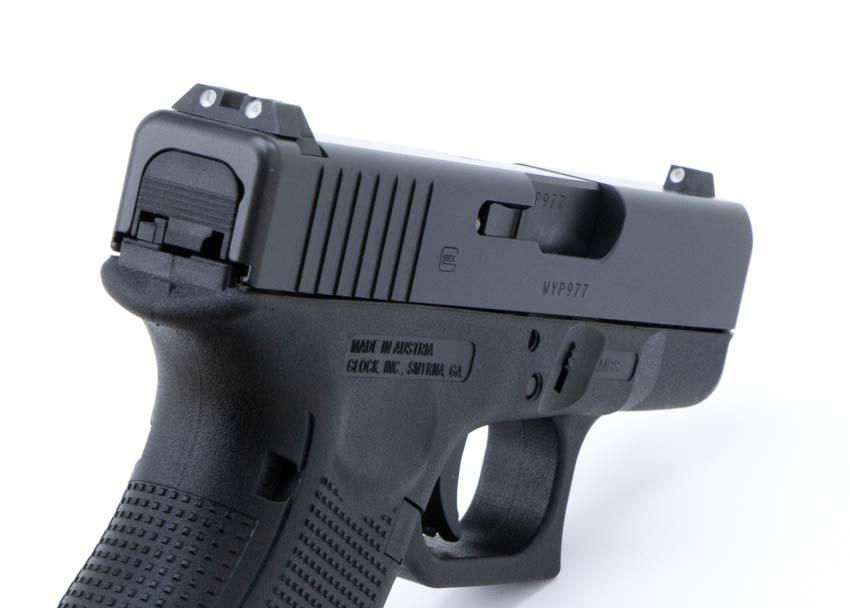
If you are an armed citizen shopping a concealed carry pistol and you want maximum versatility (high reliability, broad aftermarket, expandable capacity, and the ability to grow into competition or training classes), the G26 is a strong candidate.
If you want the absolute thinnest 9mm available for deep concealment in a t-shirt and athletic shorts, this is not that gun. A Glock 43, Glock 43X, or Springfield Hellcat will hide easier. The G26 is a double-stack subcompact, which means it trades some thinness for capacity and shootability.
Final Thoughts
The Glock 26 has been part of my life since 1998. My first one rode in an ankle holster as a backup for a duty Glock 17 in suburban Atlanta. The Gen 4 I tested for this review carries the same DNA, with refinements that make it a better pistol than the original without changing what made the original work.
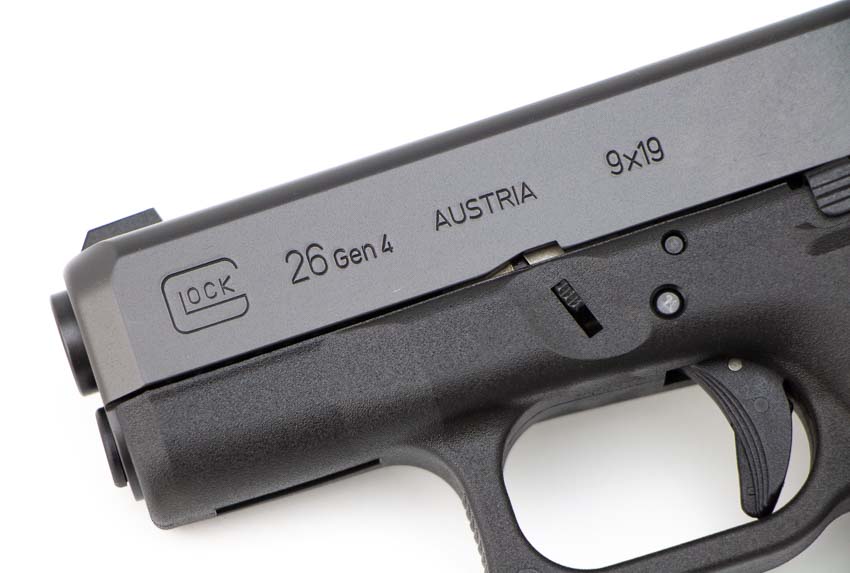
The new texture grips harder. The bigger magazine release is easier to find under stress. The modular backstraps mean the gun fits more hands. The fundamentals are unchanged: a small, reliable, 10+1 capacity 9mm that shares everything important with the full-size Glocks and runs the same magazines.