
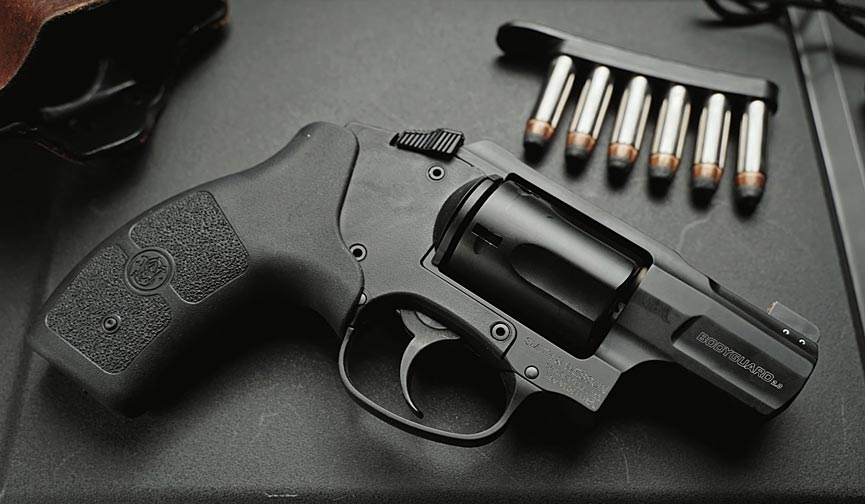
Smith & Wesson Bodyguard 38 2.0: A Smarter, More Shootable Snub-Nose Revolver?
Smith & Wesson’s new Bodyguard 38 2.0 is the kind of update that makes immediate sense to anyone who actually carries a snub-nose revolver. I’ve shot the original Bodyguard 38 and liked it, and this second-generation version looks like a smart, worthwhile upgrade that keeps the gun’s strengths intact while improving the features that matter to many shooters.
The original Bodyguard 38 earned attention because it delivered a lightweight, compact, easy-to-carry package in a familiar revolver format. One of its big selling points was the ambidextrous nature of the cylinder release.
That formula still works, but today’s defensive handgun buyer expects a little more. Better sights, better ergonomics, and more intuitive controls can make the difference between a revolver that simply disappears in the pocket or holster and one that is actually pleasant to train with. That is where the Bodyguard 38 2.0 makes its case.
Familiar Concept, Refined for Carry
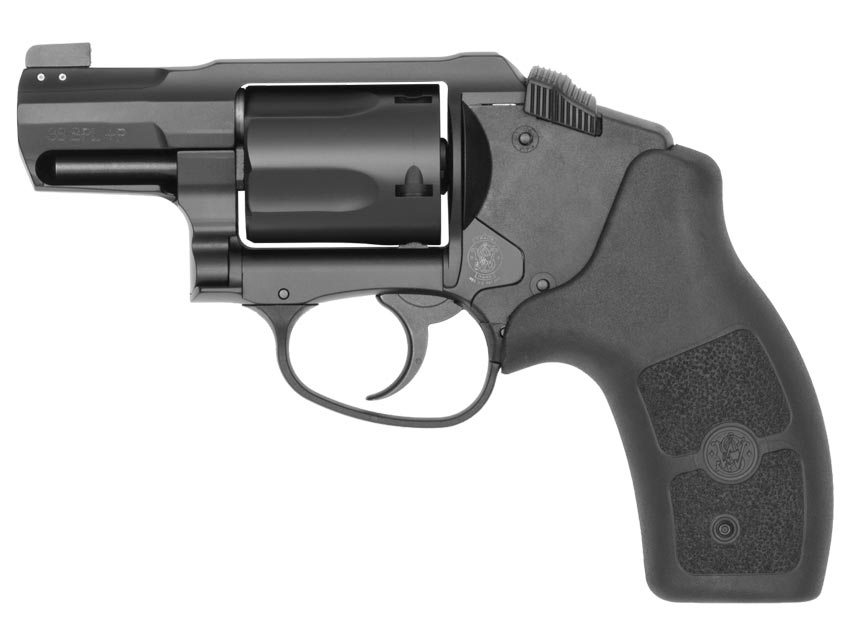
At its core, the Bodyguard 38 2.0 remains a compact double-action-only (DAO) revolver chambered for the .38 Special cartridge. It is rated for +P ammo. It is still a five-shot gun, making it compact enough to function realistically for deep concealment. It has a concealed hammer just like the company’s traditional Centennial line.
Smith & Wesson pairs a 1.875-inch stainless-steel barrel insert with a one-piece aluminum alloy upper frame. The company uses a polymer grip module at the back, which helps to keep the revolver light without giving up durability typical of the company’s J-frame revolvers. Check out my head-to-head comparison of a popular J-frame with the original BG 38 in this article: Smith & Wesson 642 vs. Bodyguard 38.
The overall dimensions reinforce that mission. At 4.6 inches tall, 1.35 inches wide, and 14.2 ounces, the Bodyguard 38 2.0 fits squarely in the lightweight snub-nose category. That matters because a carry gun has to be carried to be useful, and this revolver looks built for real-world everyday carry rather than range-only appeal. In that sense, it stays true to the original Bodyguard concept while sharpening the details.
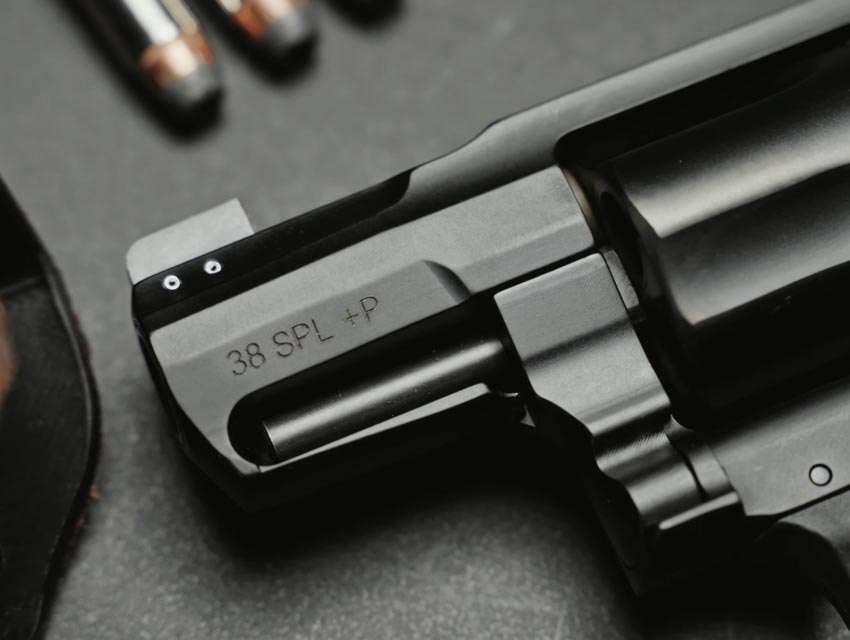
One of the most differences in the Bodyguard 38 series – as compared to the standard J-frames – is the ambidextrous, center-mounted cylinder release. Left-handed shooters finally get a revolver that does not feel like it was designed against them, and right-handed shooters aren’t impaired a bit.
The Most Important Upgrades
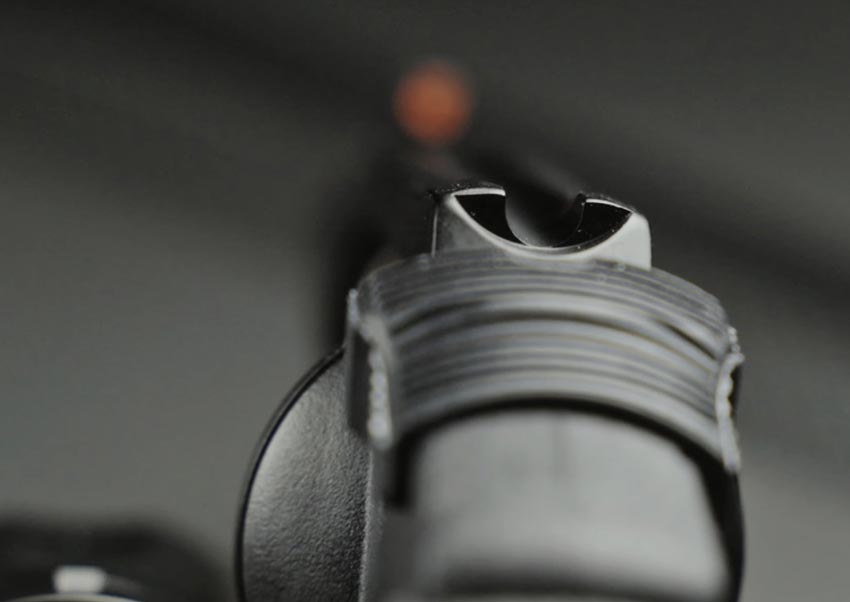
The updated sighting system is a major step forward. Smith & Wesson uses a machined U-notch rear sight paired with an orange-dot front sight, a combination that should improve target acquisition in a hurry. This is substantially better than the plain blade/shallow notch I have on my S&W 642.
The front sight is taller and much easier to pick up than the original BG 38. And the rear gutter sight with a wide U-notch is really fast for alignment. I like big front sights with a wide U-notch rear. Springfield Armory’s been doing this right with its Hellcat and Echelon line of pistols.
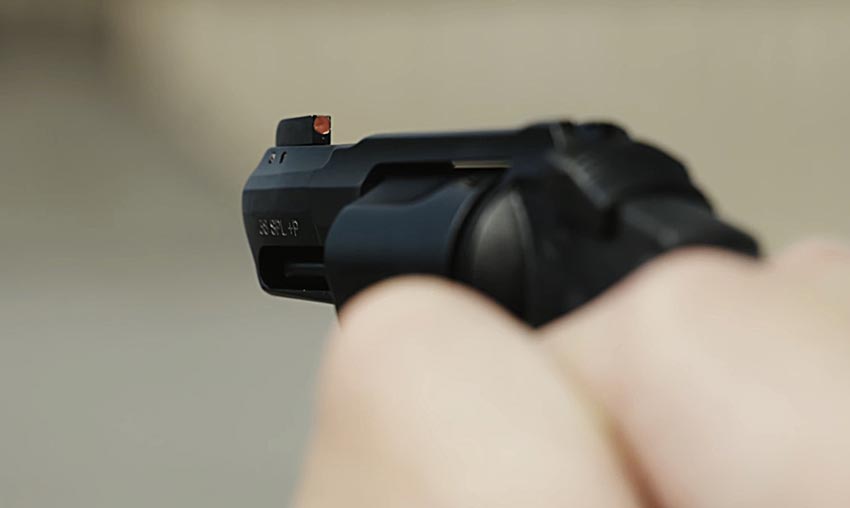
I’m very happy S&W went this route on the new revolver. The new setup suggests Smith & Wesson is serious about taking feedback and improving its guns.
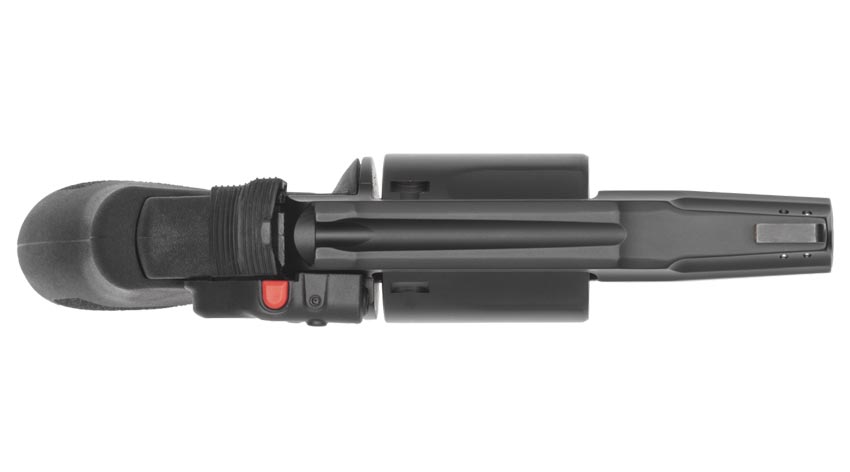
Smith & Wesson also updated the ejector rod. It looks a little longer to my eye, which is a good thing. The original Bodyguard 38 worked well enough, but seemed a little short. It sometimes failed to eject all of the spent casings, which is an issue with many small revolvers.
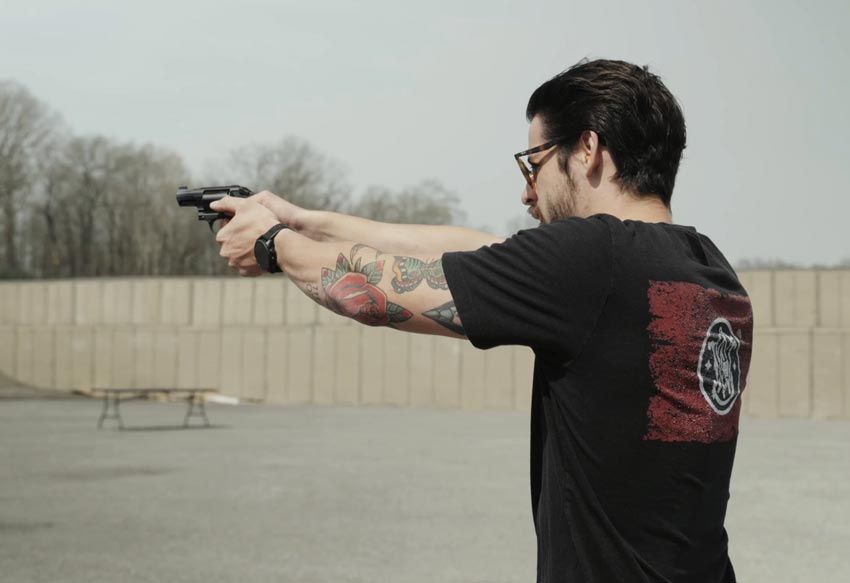
The enhanced boot-style grip is also a welcome change. Small revolvers often live and die by how they feel in the hand, because recoil management and control can become the limiting factors long before accuracy does.
A better grip shape with a high horn to protect the web of your hand helps the shooter maintain control during slow and rapid fire. I think having a polymer grip module allows the company to better craft the grip area, maybe in ways that machining aluminum and steel don’t allow.
Why the 2.0 Matters
A defensive revolver has to win on simplicity, but simplicity alone is not enough. If the sights are hard to pick up, the controls are awkward, or the grip is too spartan, the shooter pays for that every time the gun is fired. The Bodyguard 38 2.0 appears to address those friction points directly while keeping the revolver’s essential identity intact.
That is what makes this release more interesting than a routine model update. Smith & Wesson did not try to turn the Bodyguard 38 into something it was never meant to be. Instead, it refined the formula in the areas where a carry revolver benefits most from modernization. For shooters who already appreciate the convenience of a lightweight snub-nose revolver, the 2.0 version offers a more polished and more capable package.
I think that will resonate with both experienced revolver users and newer concealed carriers. Experienced shooters know that small gains in ergonomics and sight picture can have an outsized effect on confidence and performance. Newer carriers, meanwhile, often want a gun that is easy to understand, easy to carry, and easy to operate under pressure. The Bodyguard 38 2.0 checks those boxes without overcomplicating the platform.
Laser-Equipped Option
Smith & Wesson is also offering the Bodyguard 38 2.0 with an integrated Crimson Trace red laser. I think that offering shooters the option to choose a laser-equipped version from the factory is a smart move.
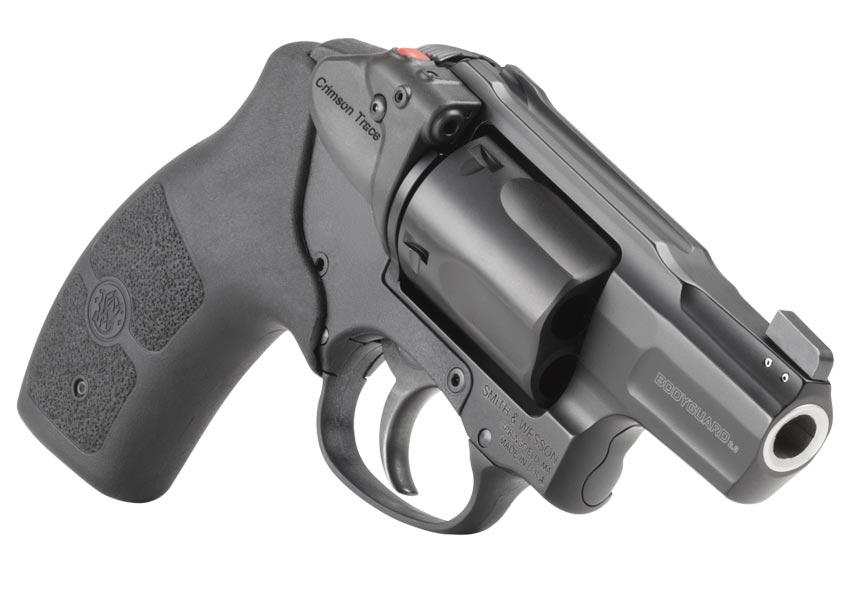
While I’ve never been a huge fan of pistol mounted lasers, they do offer some distinct advantages that plain iron sights don’t have. And the laser model broadens the appeal of the gun without changing its core personality. Some shooters will prefer traditional iron sights, while others will appreciate the added visual aid for close-range defensive use. It’s your choice.
Bodyguard 38 2.0 Pricing
The Bodyguard 38 2.0 looks well suited for concealed carriers who want a revolver that stays lightweight, simple, and dependable while offering modern usability improvements. But, how much does the Bodyguard 38 2.0 cost?
The MSRP is $449 for the standard model and $549 for the laser-equipped Bodyguard 38 2.0. Getting a brand new, high-quality wheel gun for about $450 (or less) is a serious attention getter. I think that this revolver is positioned with a great price point.
At this price, the Smith & Wesson is the same MSRP as the Taurus 850, another snub nose .38 with a concealed hammer and DAO trigger. Possibly the closest comparison in build and features is the Ruger LCR (model # 5401) which has a MSRP of $759.
Final Impression
My take is simple: the Smith & Wesson Bodyguard 38 2.0 looks like a worthy upgrade and a smarter version of a gun I already liked. It preserves the original’s lightweight carry appeal, then improves the sighting system, grip design, and control layout in ways that should matter to real users. That is exactly the kind of development I want to see from a second-generation defensive revolver.
For shooters who want a compact, concealable, easy-to-understand carry gun, the Bodyguard 38 2.0 makes a strong argument. It feels practical, it feels modern, and it feels like Smith & Wesson listened to what revolver shooters actually want. In a category where small improvements can make a big difference, this one looks like it delivers.
That longer ejector rod is a welcome addition. The new boot-style polymer grip gives the revolver a balanced feel similar to a well-designed ergonomic mouse, making daily carry surprisingly comfortable. I like it.
Looking ahead, I think manufacturers will start offering interchangeable grip modules and adjustable ejector tension so you can fine-tune that crisp feel for your own hand size. It’ll be exciting to see the same balanced handling evolve into a truly custom-fit experience.
I’ve been carrying a J-frame for years, so the ambidextrous, center-mounted cylinder release on the Bodyguard 38 2.0 feels like a genuine ergonomic win for my left-handed draw. The taller orange-dot front sight is a welcome upgrade that matches the quick target acquisition I need.
I once tried shooting +P .38 Special in a pocket-sized revolver and the recoil hit me like a surprise handshake from a bodybuilder–lesson learned: a boot-style polymer grip is a small mercy when you’re counting ounces.
The new orange-dot front sight really pops, making quick acquisition a breeze, and I can imagine future versions swapping in a low-light tritium insert to keep that advantage after dark.
The description says the Bodyguard 38 2.0 is rated for +P ammo, but I’m not sure how a five-shot snub-nose revolver handles the extra pressure over long-term use. Does the stainless-steel barrel insert really keep the frame from stretching? I’d love to see some durability testing.
The new orange-dot front sight looks great.
What surprised me most was the boot-style polymer grip with a high horn that actually shields the web of the hand, a subtle ergonomic detail that feels like a real comfort upgrade.
I learned the hard way that a five-shot capacity forces you to practice a rapid reload before you ever need it, otherwise the extra seconds spent fumbling can be costly.
The new machined U-notch rear sight shows how even traditional revolvers are getting the same precision-sighting upgrades that pistols have long enjoyed.
I love how the center-mounted, ambidextrous cylinder release makes left-handed draws feel as natural as right-handed ones–something I hope other J-frame makers will adopt in the next few years. With the polymer grip already proving its ergonomic edge, I can see future versions offering interchangeable back-strap inserts for even more custom fit.