
How to Choose a Defensive Handgun: What Really Matters
Choosing a defensive handgun is one of the most important decisions a person can make when it comes to personal protection. With so many options available, many people search for the “best defensive handgun,” but the truth is there is no one-size-fits-all answer.
The right handgun for self-defense depends on your individual needs, experience level, physical ability, and how you intend to carry and use it.
Instead of focusing on trends, brand names, or what works for someone else, it’s far more important to understand the key factors that actually matter when selecting a self-defense handgun. Things like reliability, ease of use, comfort, and your ability to shoot the firearm accurately under stress should drive your decision.
By focusing on these fundamentals, you’ll be far more likely to choose a defensive handgun that truly works for you in the real world.
Choosing the Right Caliber for a Defensive Handgun
When picking the right handgun, many people obsess about what caliber to choose. Generally speaking, handguns are poor choices for stopping a violent attacker. Handguns launch a fairly small projectile at relatively low velocities, and bullet wounds to areas other than the central nervous system (CNS) generally take time to work.
So, two things are important when considering which caliber. First, bigger is better…to a point. A high-quality .45 hollowpoint is more likely to be effective than a .25 ACP anything. The .45 delivers more energy and momentum, and it makes a significantly larger wound channel.
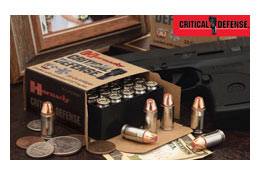
However, with modern defensive ammunition, 9mm, .40 S&W, .45 ACP, .38 SPL and the like all make good choices. Police officers and citizens alike save themselves and others on a regular basis with these rounds. Yes, the mighty .22 LR has saved a few lives, but not with the consistency of these more considerable rounds.
The second thing to consider when selecting a caliber is ‘only hits count.’ In other words, a hit with that .25 is more effective than a miss with a .45.
So when selecting a caliber, there is a balancing act of power and controllability. Many people find the 9mm easier to control that the .40 or .45. Additionally, the 9mm ammunition tends to be less expensive than other calibers, so regular practice is more affordable.
Find a Handgun that Fits Your Hand
One of the common mistakes that people make is buying a defensive handgun for someone else. Typically, this is a husband buying a gun for his wife. This may be well intentioned, but is generally a bad idea.
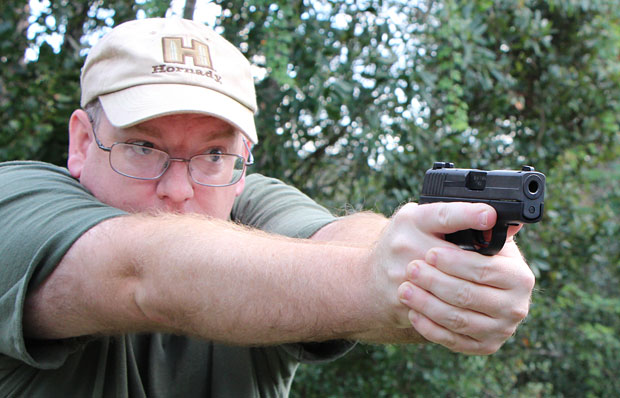
Hand to gun fit is very important. A good match between handgun and hand size will allow better trigger control, natural pointing and increased confidence.
We’ve all picked up a gun that did not feel right in our hands. If you shot that gun, you probably didn’t do very well with it, and you likely haven’t shot it much since.
If you are looking for a self-defense gun, you need to be confident with its use, which means you need to practice frequently. If the gun doesn’t fit your hand, you are unlikely to shoot it often, if ever.
If you are looking for a gun for your own use, find a way to shoot several different brands of firearms prior to purchase. Many gun ranges rent firearms, which would allow you to test-drive them. You can also find a firearms instructor in your area to go to the range. The instructor can bring a variety of handguns with him or her to let you shoot. Of course, finding a friend with several guns is also an option.
If you are looking to buy a defensive handgun for your spouse, mother, or someone else…don’t. The best thing you can do is to buy them time with an instructor or at a range so they can discover what works best for them.
We’ve all heard about the guy who wants to buy a small revolver for his wife, right. Well, my first wife bought a Sig P220 .45 ACP for carry and my current (and final) wife loves the Glock 19 9mm. Neither cares anything for revolvers or small guns. Moral of the story…let them pick.
Why Smaller Handguns Are Harder to Shoot
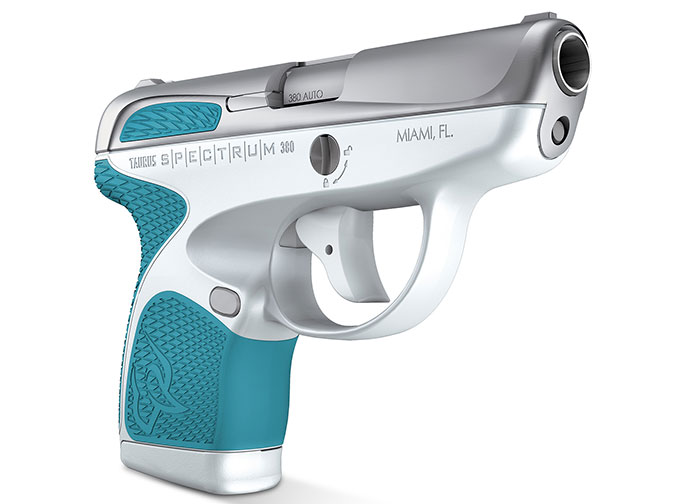
Small guns are easier to conceal but can be much harder to shoot. When compared to their larger framed brethren, small guns typically don’t fit the hand as well, have smaller sights and have harsher recoil. In a fight for your life, these things put you at a disadvantage.
The harsh recoil means you are not likely to practice often. Smaller sights are harder to see, especially under stress. And, if the gun doesn’t fit the hand well, proper trigger control is unlikely. All of these problems are magnified in the stress of combat.
Larger guns are harder to conceal but are easier to shoot. I would suggest that it is easier to learn to dress around a medium-sized gun than to learn to shoot a small gun as accurately.
Defensive Handgun Reliability: The Most Important Factor
You must have a gun that is reliable. A $2000 handgun that won’t reliably feed hollowpoints is worthless, and a $200 pistol that malfunctions is no bargain. In a self-defense situation, you must have a working gun. If your gun goes ‘click’ instead of ‘bang’, you may not survive.
By test firing different handguns before purchase, you can get a good idea of which pistols may be most reliable. You can also cruise the Internet forums to get feedback on different firearms, but nothing beats the ‘hands-on’ approach.
We all have budgets, but we are talking about your life and the lives of your loved ones. When you find the gun that fits you and is reliable, but is outside of your budget, don’t feel you have to settle for something less. Many gun shops will let you purchase the firearm on a layaway plan.
And, don’t ignore the possibility of buying used. A friend of mine just picked up a full-size Smith & Wesson M&P 40 with night sights and three magazines for only $299. The gun was a police trade-in with very little use and virtually no visible wear.
After you buy your handgun, you have to make sure it is completely reliable with your self-defense ammunition. Some guns do not work well with some types of ammo. The middle of a gunfight is the wrong time to make this discovery.
I suggest running at least 200 rounds of your self-defense loads through the gun to determine if that combination of gun and ammo is reliable. If it is not, try another brand or style of ammunition.
Final Thoughts on Handgun Selection
Choosing the right defensive handgun is not about chasing trends, brand loyalty, or what works best for someone else—it’s about finding a firearm that you can use effectively and confidently for personal protection. Factors like caliber selection, handgun fit, ergonomics, recoil control, and overall reliability all play a critical role in determining which self-defense pistol is right for you. Whether you are considering a compact handgun for concealed carry or a full-size pistol for home defense, the key is selecting a firearm you can operate safely and shoot accurately under stress.
It’s also important to remember that no handgun is effective without proper training and consistent practice. Even the most reliable defensive firearm can fall short if the shooter lacks familiarity and skill. Spend time at the range, test different calibers like 9mm, .40 S&W, or .45 ACP, and evaluate how each option performs in your hands. Pay attention to grip comfort, trigger control, and how quickly you can get accurate follow-up shots.
Ultimately, the best defensive handgun is the one that fits your hand, meets your needs, and performs reliably every time you need it. By focusing on real-world performance rather than marketing hype, you’ll be far better equipped to choose a handgun for self-defense that you can depend on when it matters most.

this is an excellent piece of article for a lay man like me. got a clear idea what to purchase as a defensive weapon and it will definitely help me to choose the next right one for me. was planning to present my girlfriend a .38acp pistol which i won’t do now without her finding out the right one for herself! you saved me from making a life risking blunder! readers welcome this sort of practical readings and expect more regularly. thanks very much.
Raj,
Thanks for the comments. Instead of the gun as a present, maybe a training class would be a good gift? Or credit at a local gun shop?
Thanks again,
Richard
Hi Richard,
I found this website about 2 months ago and have really enjoyed it. Articles like this one are really what us civilian sheepdogs need! Thank you for taking the time to put this site together for us to read and learn. I also found your other site bluesheepdog.com ….do you have any other sites you write in?
Best Wishes,
Tico
Thanks for stopping by, Tico. This and BlueSheepdog.com are the only two sites I am writing for right now. I’ve got plans for some more things in the future, like video reviews, but nothing set in stone right now.
Thanks and stay safe!
Richard
Nice article, Thanks. 200 rounds of my self defense ammo? Wow, I paid $24.00 for 24 rounds of my hollow points. It will cost me about $200 to test 200 rounds for my Beretta PX4 storm. I have been using at the range the cheaper 45 cent a round “target” ammo. Again thanks.
I like what I’m reading. This is a must to pass on to others. I too am guilty of the buy and try method. My wife hated her S&W Air Weight 38+P but loves her Ruger 380LCP. We do have a indoor range that rents guns. They also have a ladys night at half price. We need more ranges like these with good attitudes toward the public. I do not like it when someone trys to make me feel stupid for asking a question about any product. KEEP UP THE GOOD WORK !!!!!