
Rimfire vs Centerfire: What Actually Matters
If you spend any time around firearms, whether that’s at the range, in training classes, or just maintaining your everyday carry, you’ve probably had the rimfire vs centerfire conversation more than once. Most explanations stop at the basics: primer location, cost, maybe a quick nod to reliability. That’s fine for beginners, but it doesn’t answer the question most of us actually care about:
Which one matters for how I shoot, train, and protect myself?
I’ve run both extensively: everything from bulk .22 LR in training pistols to high-pressure centerfire loads in duty-sized handguns and precision rifles. And over time, the difference between rimfire and centerfire stops being academic. It becomes about reliability under stress, long-term cost, maintenance, and whether the tool performs when you actually need it.
This article isn’t just a technical breakdown. It’s how I think about rimfire vs centerfire as someone who carries, trains, and expects gear to work without excuses.
Quick Summary: Rimfire vs Centerfire at a Glance
If you don’t want the deep dive, here’s the straight answer:
Rimfire
- Cheapest way to shoot, by a wide margin
- Minimal recoil, ideal for high-volume training
- Limited power and shorter effective range
- Not reloadable
- Less reliable (more prone to misfires)
Centerfire
- Significantly more reliable ignition
- Much higher power and pressure capability
- Reloadable, customizable
- More expensive per round
- Required for defensive use and serious hunting
Verdict:
I use rimfire to build skills cheaply. I rely on centerfire when performance actually matters.
What “Rimfire vs Centerfire” Really Means
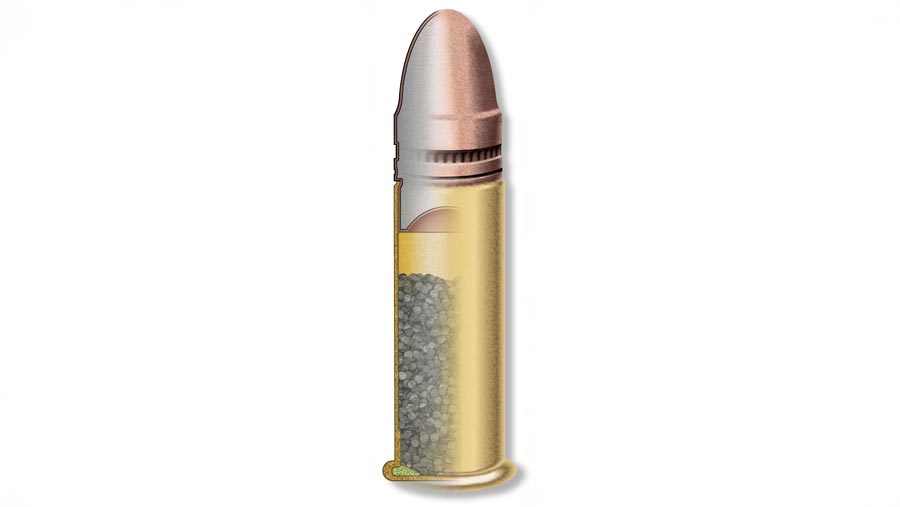
At its core, the difference between rimfire and centerfire ammunition comes down to how ignition happens.
- Rimfire: the primer compound is inside the rim of the case
- Centerfire: a separate primer sits in the center of the case head
That sounds simple, but it drives everything else: pressure limits, reliability, cost, and what the cartridge is even capable of doing.
Rimfire in Plain Terms
Rimfire cartridges have priming compound spun into the rim during manufacturing. When the firing pin hits the edge of the case, it crushes that compound and ignites the powder.
That design is cheap and efficient, but also fragile.
Centerfire in Plain Terms
Centerfire cartridges use a dedicated primer seated in the middle of the case. The firing pin strikes it directly, producing a consistent ignition.
Because the case doesn’t need to deform to ignite, it can be much stronger, which opens the door to higher pressures and better performance.
Key Components and Design Differences
Here’s how I break down the important mechanical differences that actually affect use:
Rimfire Construction
- Thin brass or plated steel case
- Hollow rim containing priming compound
- No separate primer
- Typically lower pressure tolerance (~24,000 PSI max)
Centerfire Construction
- Thick brass case
- Replaceable primer (Boxer or Berdan)
- Reinforced case head
- Handles higher pressures (35,000–60,000+ PSI)
Why This Matters
That structural difference affects:
- Durability: centerfire cases survive repeated firings
- Consistency: primer ignition is more uniform
- Performance ceiling: rimfire simply can’t scale up
How It Works in Practice (Not Just on Paper)
I’ve run thousands of rounds of both, and here’s what stands out in real use.
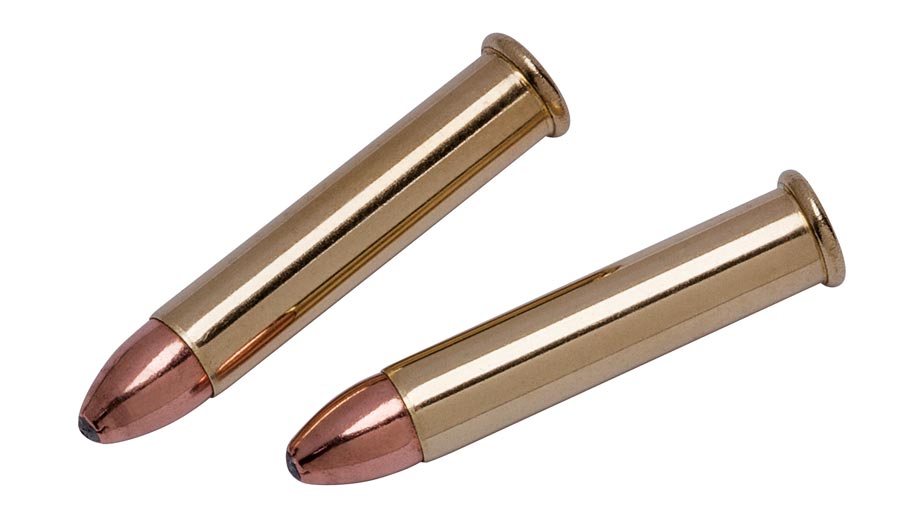
Rimfire Experience
When I’m shooting .22 LR, whether through a dedicated pistol or a conversion kit, the benefits are obvious:
- Almost no recoil
- Fast follow-up shots
- Dirt cheap practice
But I also expect:
- Occasional misfires
- Dirtier operation
- More sensitivity to ammo quality
I treat rimfire like a training tool, not a defensive solution.
Centerfire Experience
With centerfire, especially something like 9mm or .45 ACP, the difference is immediate:
- More recoil, but manageable
- Consistent ignition
- Reliable cycling in quality firearms
This is what I trust for:
- Concealed carry
- Home defense
- Duty use
There’s no ambiguity here. When reliability matters, centerfire wins.
Practical Use Cases: Where Each One Fits
Training and Skill Development
This is where rimfire shines.
I regularly use .22 LR for:
- Trigger control drills
- Sight tracking
- High-volume practice sessions
You can shoot 500 rounds of rimfire for the cost of 100 rounds of centerfire, and that matters if you train consistently.
Defensive Carry
This is non-negotiable.
Centerfire is the only serious option for:
- Concealed carry
- Home defense
- Law enforcement or duty roles
Even the best rimfire setup can’t match the reliability and terminal performance of a centerfire cartridge.
Hunting and Field Use
- Rimfire: small game, pest control
- Centerfire: everything from varmints to large game
Trying to stretch rimfire beyond its intended role usually leads to poor outcomes.
Competition
- Rimfire: Steel Challenge, precision rimfire matches
- Centerfire: USPSA, IDPA, PRS, 3-Gun
Each has its place, but they’re not interchangeable.
Pros and Cons
Rimfire Pros
- Extremely affordable
- Minimal recoil
- Great for fundamentals
- Widely available
Rimfire Cons
- Higher failure rate
- Not reloadable
- Limited power
- Less effective beyond short distances
Centerfire Pros
- Highly reliable
- Reloadable
- Wide range of calibers
- Suitable for defense and hunting
Centerfire Cons
- Higher cost
- More recoil
- Requires more maintenance awareness
Rimfire vs Centerfire: Reliability and Performance
This is the part most people underestimate.
Reliability
Centerfire is simply more dependable.
With rimfire, I’ve seen:
- Light strikes
- Inconsistent ignition
- Occasional duds (especially with bulk ammo)
Even with quality ammo, rimfire has a built-in reliability ceiling because the priming compound isn’t always evenly distributed.
Centerfire primers are engineered for consistency. When struck correctly, they go off. Period.
Power and Ballistics
There’s no real comparison:
- .22 LR: ~130–150 ft-lbs
- 9mm: ~350–400 ft-lbs
- .308 Win: 2,500+ ft-lbs
That difference translates to:
- Better penetration
- More reliable expansion
- Greater effective range
If you carry a firearm for defense, this isn’t theoretical: it’s critical.
Cost and Reloading Considerations
Rimfire Cost Advantage
Rimfire wins on upfront cost. No debate.
- Bulk .22 LR: often 5–15 cents per round
- Ideal for frequent practice
Centerfire Economics
Centerfire is more expensive, but more flexible.
If you reload:
- You can significantly reduce cost per round
- You can tune loads for your firearm
- You gain consistency and control
I reload for certain calibers, especially rifle rounds, and it changes the economics completely.
Reloadability Breakdown
- Rimfire: single-use, disposable
- Centerfire: reusable brass, often 5–10+ reload cycles
For serious shooters, this becomes a long-term advantage.
Comparison to Alternatives and Hybrid Approaches
There’s a middle ground that’s worth mentioning.
.22 Conversion Kits
Many centerfire pistols offer .22 LR conversion kits.
I’ve used these extensively for:
- Cheap training on my carry platform
- Practicing grip and trigger control
They’re not perfect, but they bridge the gap between rimfire cost and centerfire familiarity.
Airguns and Simulators
For ultra-low-cost practice:
- Airguns
- Dry fire systems
These complement both rimfire and centerfire training, but they don’t replace live fire.
Who Rimfire vs Centerfire Is Best For
Rimfire Is Best For
- High-volume shooters
- Skill development and training
- Budget-conscious practice
- New shooters building fundamentals
Centerfire Is Best For
- Concealed carriers
- Defensive use
- Law enforcement or duty roles
- Hunting medium to large game
Most People (Including Me)
I don’t choose one; I use both.
- Rimfire for reps
- Centerfire for reality
That combination gives you the best of both worlds.
Final Verdict
The rimfire vs centerfire debate isn’t really a debate once you understand the roles.
Rimfire is a training multiplier. It lets you shoot more, refine fundamentals, and stay sharp without burning through your budget.
Centerfire is a performance tool. It’s what you rely on when the stakes are real, whether that’s self-defense, duty use, or serious hunting.
If you carry a concealed weapon, here’s my bottom line:
- Train with rimfire when it makes sense
- Validate and carry with centerfire
- Don’t confuse affordability with capability
Both systems exist for a reason. Use each where it excels, and you’ll be better prepared than someone who tries to force one into every role.



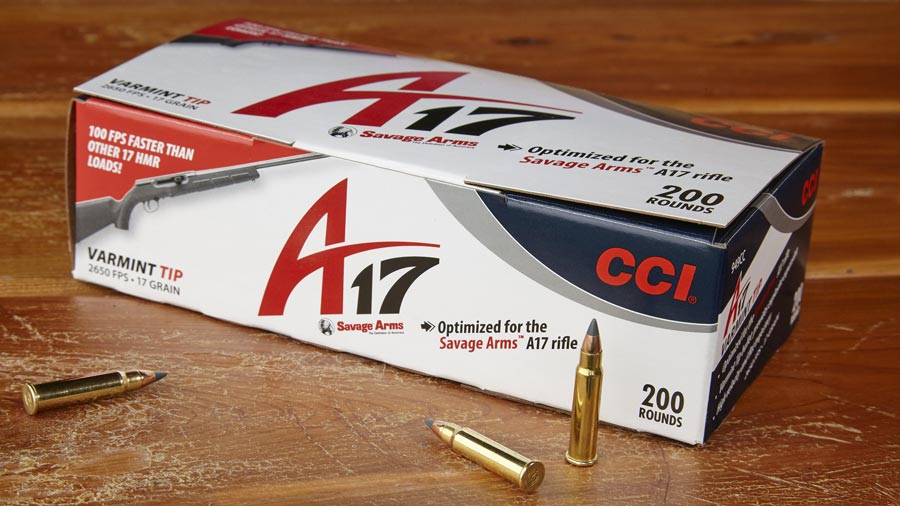
I ran CCI A17 rimfire ammo through my pistol conversion kit and the hollow-rim priming gave occasional misfires that disrupted my training rhythm. It’s a reminder that the cheap-and-quiet appeal can be offset by reliability quirks.
I like how the piece notes that centerfire cases have a replaceable primer and can be reloaded, turning a higher per-round cost into a long-term saving–something you just can’t do with most rimfire ammo. It’s a bit like choosing a refillable water bottle over disposable cups: the upfront effort feels worthwhile when you’re shooting a lot.
The trade-off resembles purchasing a high-efficiency appliance: the upfront cost and upkeep are greater, yet the per-use expense declines, favoring heavy users.
The article notes centerfire cases handle 35,000-60,000 PSI versus the 24,000 PSI limit of rimfire; I’m curious how that pressure gap translates into barrel life and recoil in typical training runs.
I love how the piece points out that the tiny recoil of a .22 LR makes it perfect for kids’ first range day, letting them focus on fundamentals without being overwhelmed. When you move up to a centerfire pistol for concealed carry, the separate primer and thicker case give that extra reliability you need in a high-stress encounter, so you can trust every pull of the trigger.